

A Wisteria Style Guide
JUNE 5, 2026
How to Decorate With Jewel Tones: A Room-by-Room Guide to Rich, Expressive Color
Among the most beloved palettes in interior design, jewel tones bring depth, warmth, and personality to a space in a way few colors can. Inspired by precious gemstones, jewel tone colors have a richness that feels both timeless and expressive, making them a favorite among designers who want to create interiors with character and lasting appeal.
Some colors quietly complement a room. Others transform it.
Whether you're introducing a sapphire blue accent pillow, layering an emerald green rug into a living room, or adding citrine-colored accessories to a dining table, jewel tones offer an approachable way to bring color into the home without sacrificing sophistication.
If you've ever wondered what are jewel tones and how to use them successfully, this guide will walk you through the palette and show you how to incorporate these rich colors throughout your home.
What Are Jewel Tones?
Jewel tones are deeply saturated colors inspired by precious and semi-precious gemstones. Unlike softer pastels or muted neutrals, jewel tone colors are known for their richness and depth. The most recognizable jewel tones include:
Emerald green
Sapphire blue
Ruby red
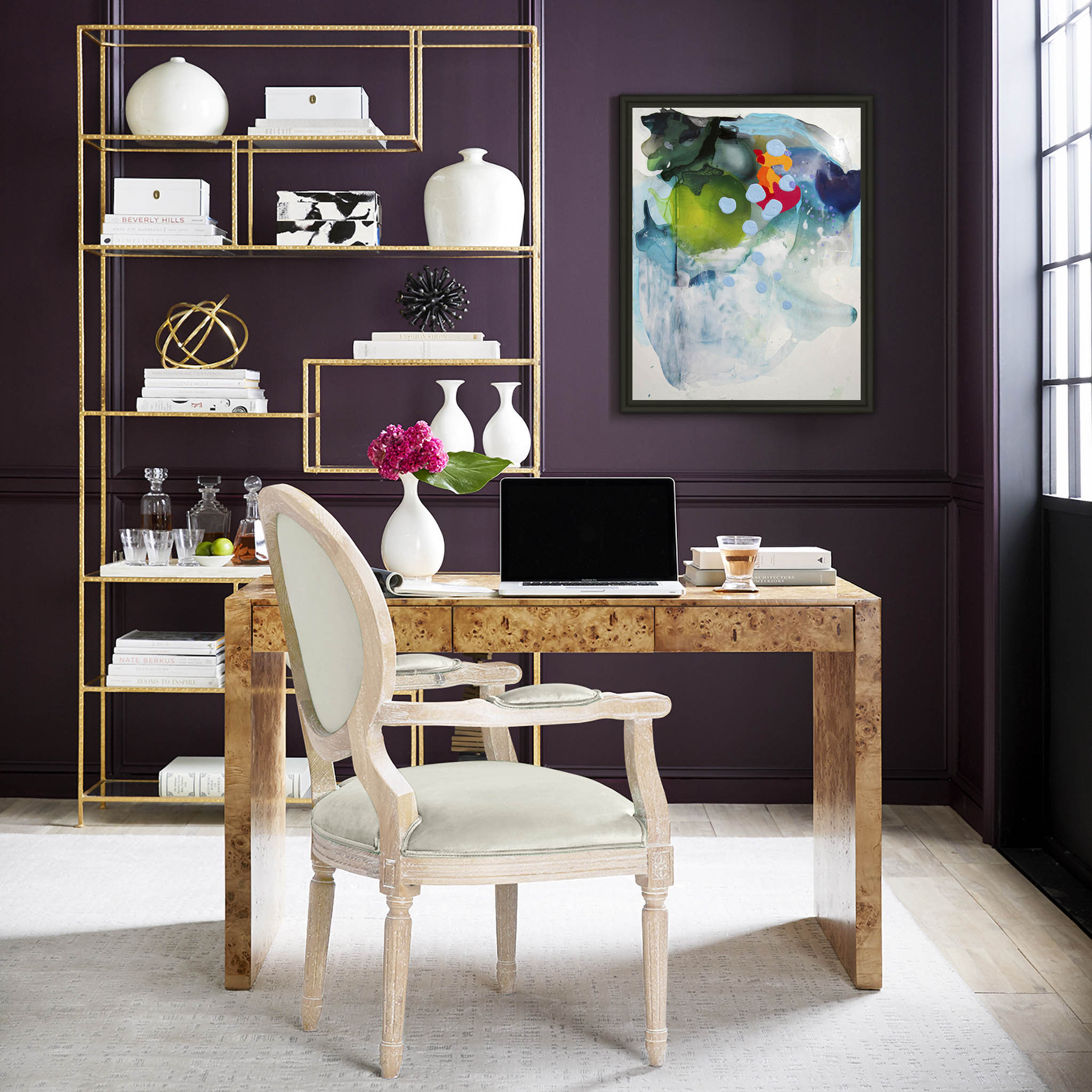
Amethyst purple
Topaz
Citrine color
Together, these colors create a palette that feels layered, collected, and visually striking.
Why Designers Love Jewel Tones
One of the reasons jewel tones remain so popular in interior design is their versatility. They can feel traditional or modern, dramatic or understated, depending on how they're used. A single jewel-toned accent can energize a neutral room, while a layered palette of rich colors can create a home that feels warm, worldly, and deeply personal.
The most memorable interiors often balance comfort with character. Jewel tones excel at both. Because these colors naturally contain depth, they create visual interest even in simple spaces. An emerald pillow on a linen sofa, a sapphire ceramic vessel on a console table, or a ruby accent in a gallery wall can immediately draw the eye and add dimension.
Jewel tones also work beautifully in collected interiors. Their richness complements natural materials, layered textiles, vintage finds, and globally inspired décor, creating spaces that feel curated rather than overly coordinated.
For homeowners who want to move beyond all-neutral interiors, jewel tones offer an elegant way to introduce color while maintaining a timeless aesthetic.
How to Decorate With Jewel Tones in the Living Room
The living room is often the easiest place to begin experimenting with jewel tones.
Rather than redesigning an entire space, start by introducing color through decorative layers that can evolve over time.
For instance, one of the simplest ways to incorporate jewel tone décor is through pillows and throws.
An emerald green pillow can instantly bring life to a neutral sofa, while sapphire blue adds a cool, sophisticated note. For a more collected look, try combining multiple jewel tones within the same seating arrangement. Mixing emerald, sapphire, and citrine accents can create a layered palette that feels intentional rather than overly matched.
Anchor the Room With a Statement Rug
A rug is one of the most effective ways to introduce multiple jewel tones at once.
Look for designs that combine rich blues, greens, golds, or reds against softer backgrounds. This creates visual interest while helping the colors feel integrated throughout the room.
A jewel-toned rug can also provide a foundation for additional decorative accents, making it easier to build a cohesive color story throughout the space.
Layer Decorative Accessories
Color doesn't need to come from large pieces alone.
Decorative objects, ceramic vessels, colorful glassware, and sculptural accents allow jewel tones to appear throughout a room in smaller, more nuanced ways. Repeating a color in several places helps create balance and rhythm, making the overall design feel more polished.
How to Use Jewel Tones in the Dining Room
Dining rooms naturally lend themselves to richer color palettes. Because these spaces are designed for gathering and entertaining, jewel tones can create an atmosphere that feels welcoming, intimate, and memorable.
Colorful table linens offer a flexible way to experiment with jewel tones throughout the year.
Emerald green runners, sapphire napkins, or amethyst accents can instantly elevate a dining table while remaining easy to swap seasonally. These richer colors pair especially well with natural wood finishes and neutral dinnerware.
Layer Colorful Dinnerware and Decorative Accents
Jewel tones can also appear through serving pieces, decorative bowls, and centerpieces.
Rather than matching everything perfectly, consider mixing colorful accents with more neutral pieces. This approach creates the collected, layered aesthetic that many designers favor and prevents the room from feeling overly formal.
How to Bring Jewel Tones Into the Bedroom
Jewel tones can add warmth and depth without overwhelming a restful environment.
Rather than covering every surface in bold color, focus on layering.
Neutral bedding provides a calm foundation, while jewel-toned pillows, throws, and accent textiles add richness and personality. Sapphire blue and emerald green are particularly effective in bedrooms because they feel calming while still introducing visual depth.
Add Color Through Art and Accessories
Wall art and decorative accents provide another opportunity to introduce jewel tones without making a major commitment.
A single piece of colorful artwork can establish a palette for the room, while decorative accessories help reinforce those colors throughout the space.
Pairing Jewel Tones With Neutrals
One of the most common concerns when decorating with jewel tones is using too much color.
The secret is balance. When in doubt, allow neutrals to serve as the foundation and use jewel tones as accents that bring the room to life.
Neutrals provide breathing room that allows jewel tones to stand out without overwhelming the space. We'll explore some of the most successful combinations below.
Emerald Green and Ivory
The freshness of emerald creates beautiful contrast against warm ivory and cream tones.
Sapphire Blue and Natural Wood
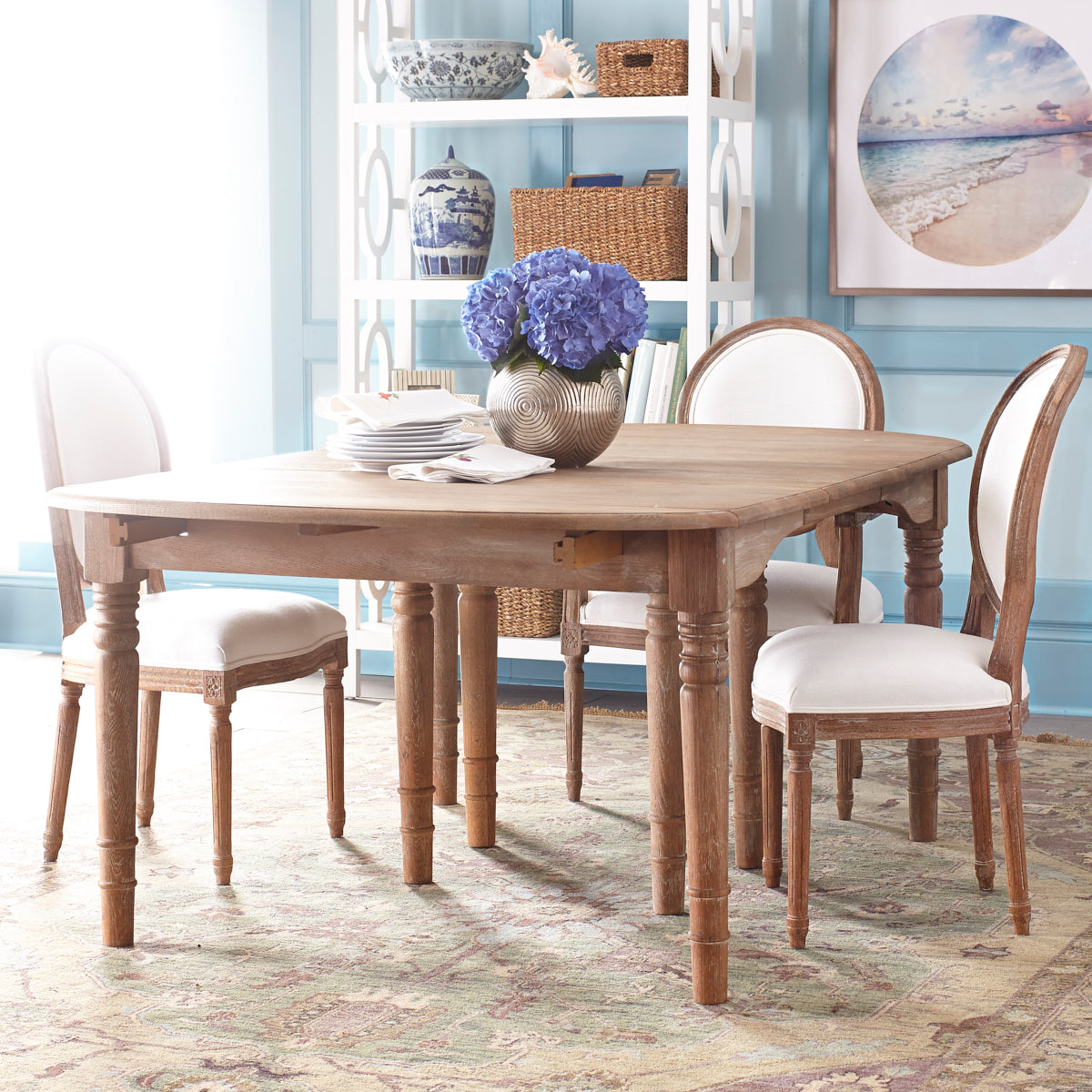
Rich blues pair naturally with wood finishes, creating interiors that feel both grounded and refined.
Citrine Color and Charcoal
For a more dramatic look, citrine color provides warmth and energy when paired with deeper gray tones.
Ruby and Soft Neutrals
Ruby accents can introduce warmth and vibrancy while maintaining sophistication when balanced by soft neutral surroundings.
How Different Materials Change Jewel Tone Colors
One of the most interesting aspects of decorating with jewel tones is how dramatically color can shift depending on the material.
Using multiple materials within the same palette creates a layered look that feels sophisticated and collected rather than flat or predictable.