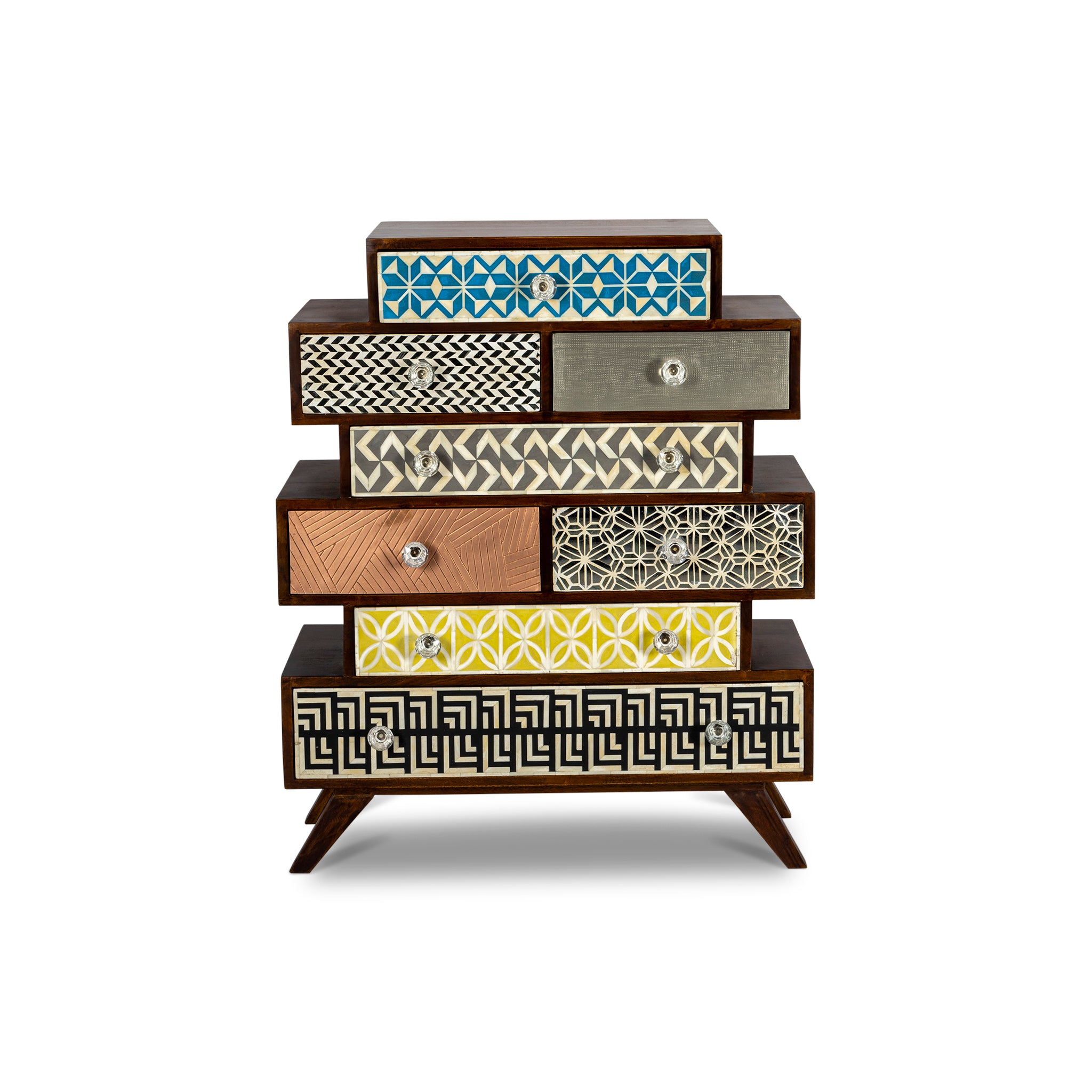
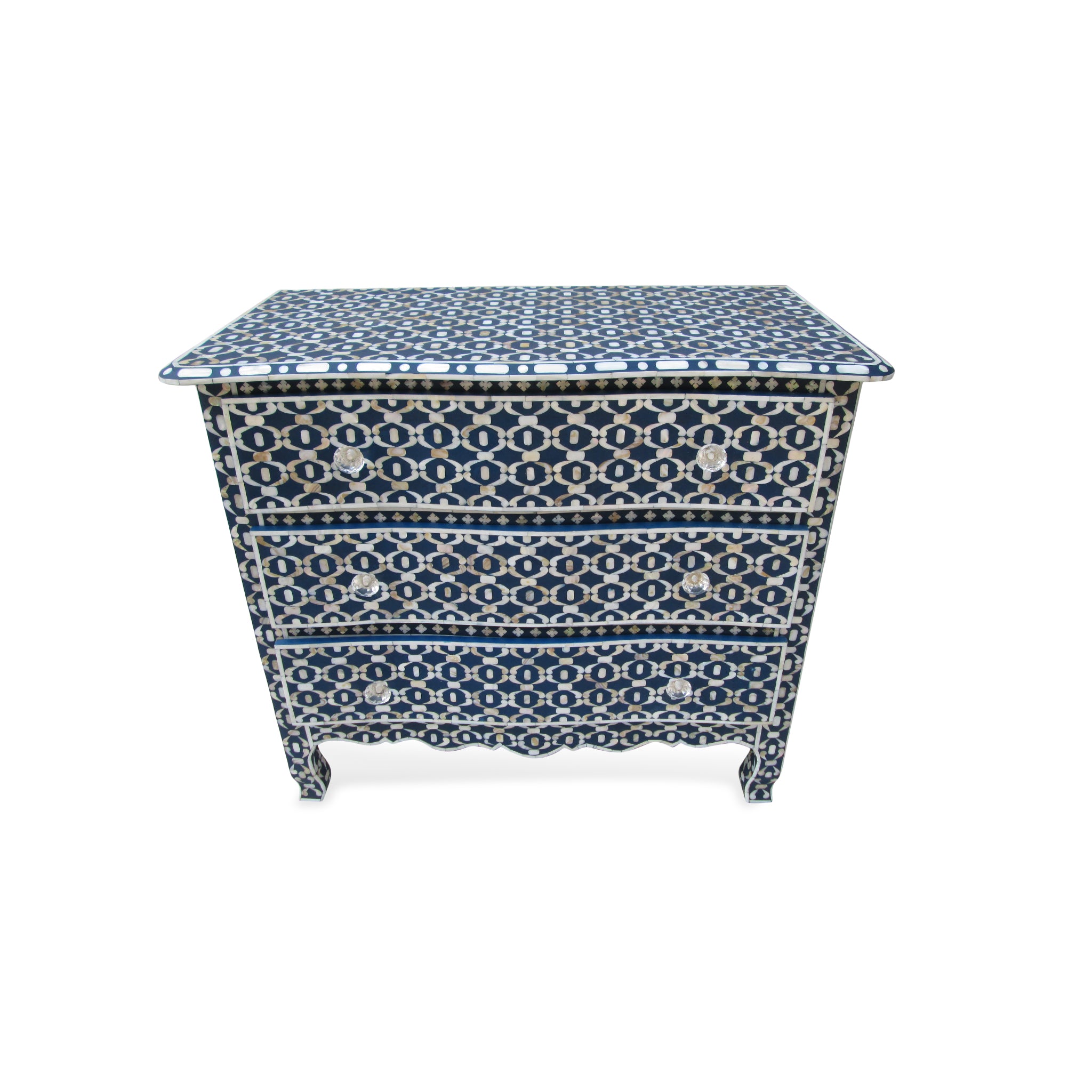
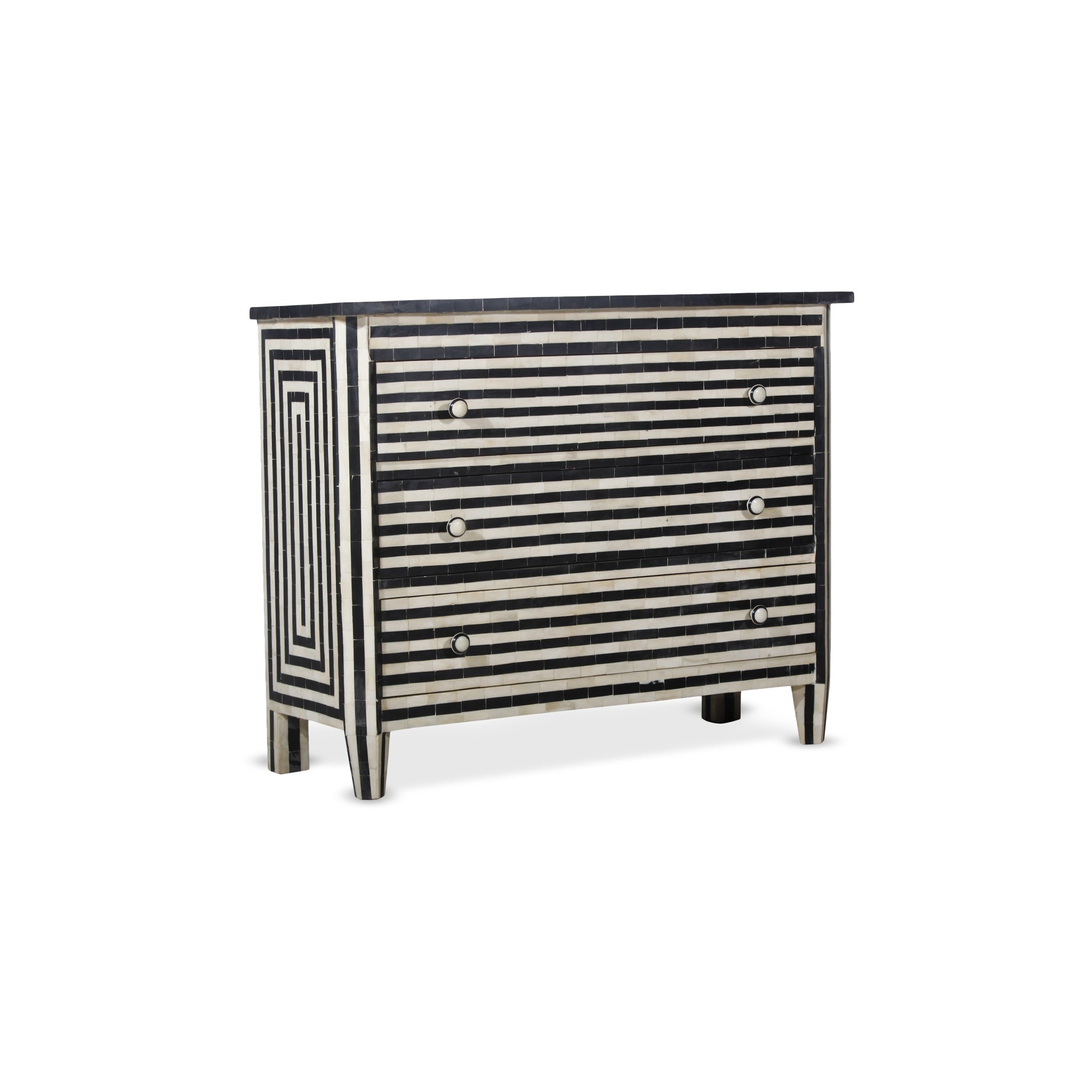
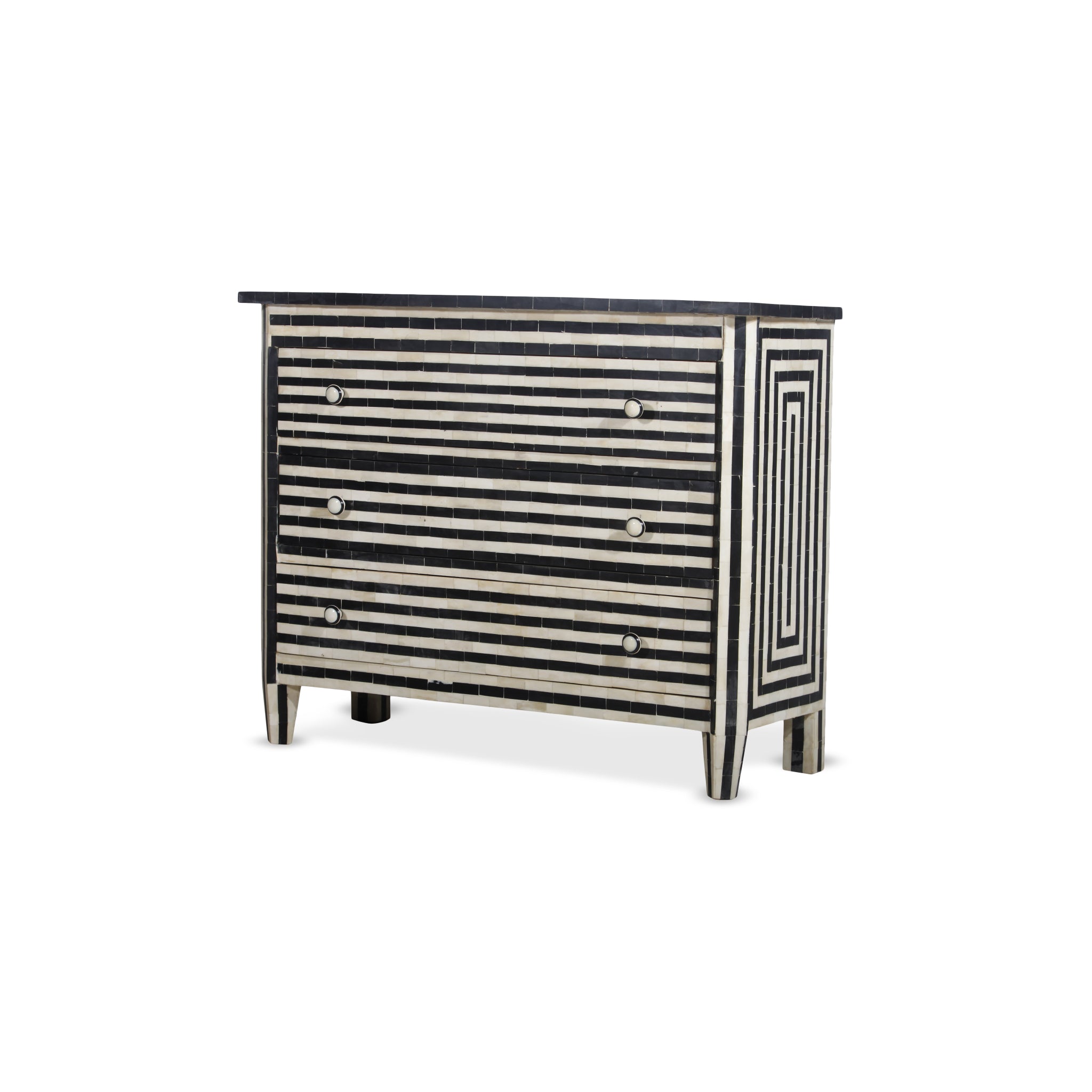
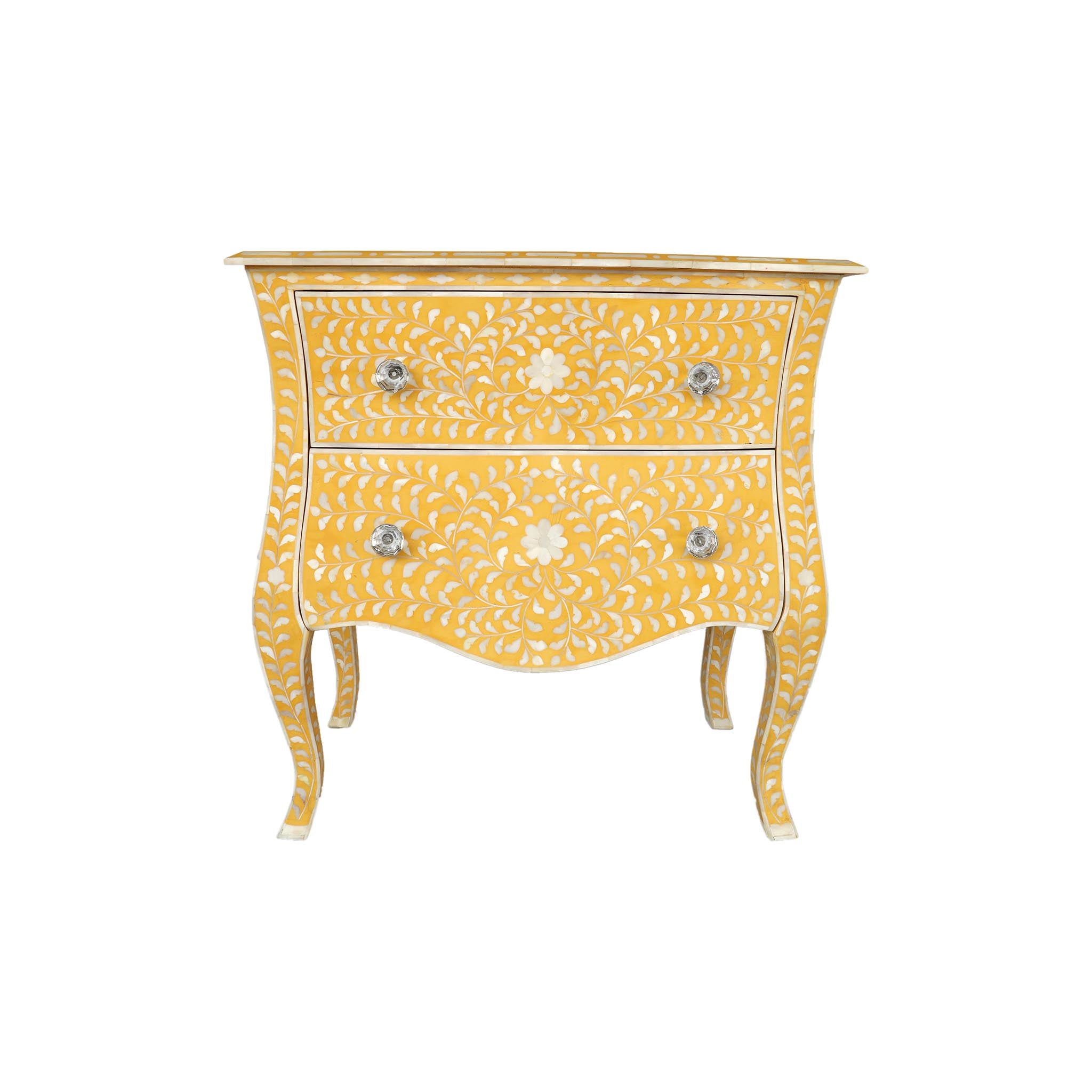
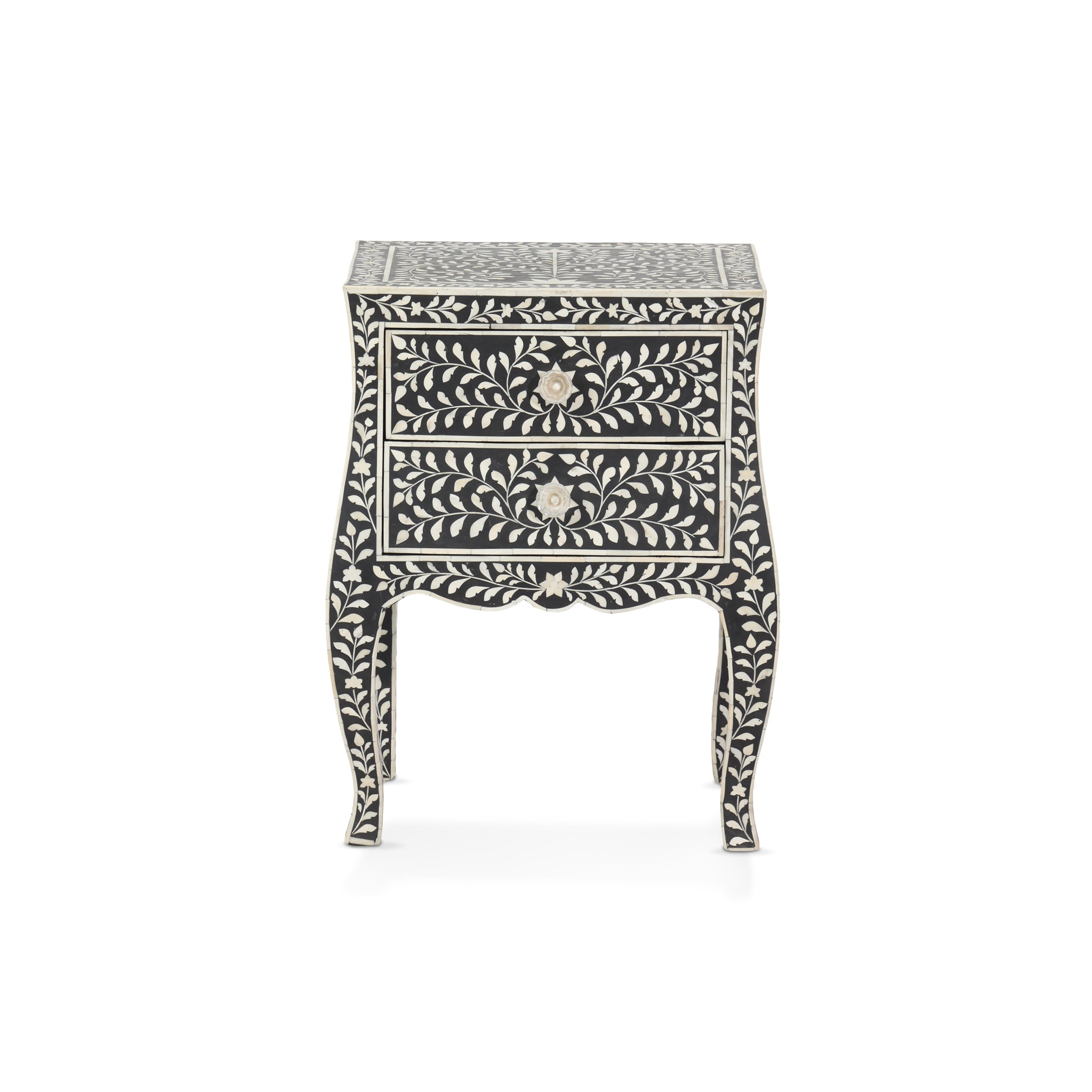
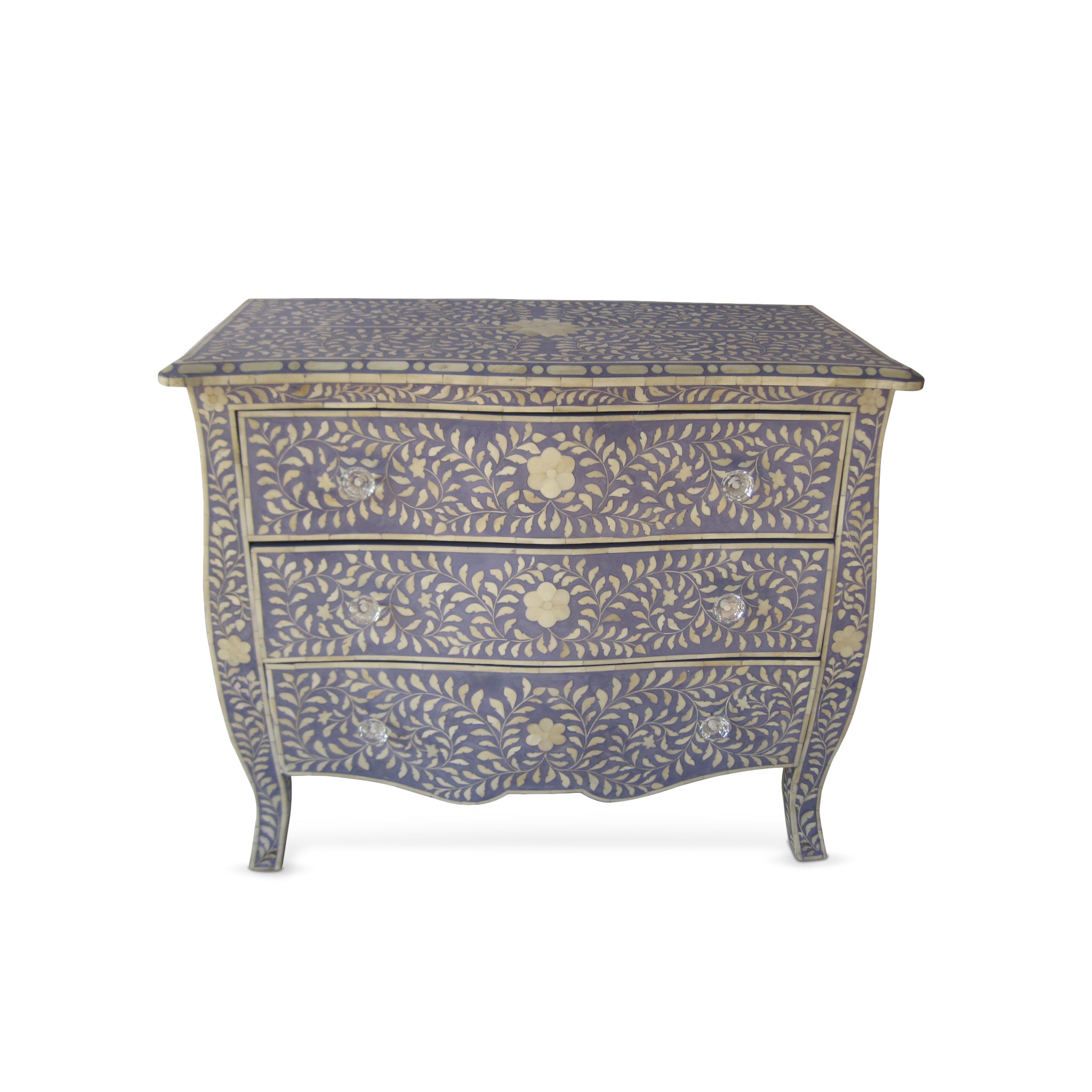
Explore Our Bone and Mother-of-Pearl Inlay Furniture Collection
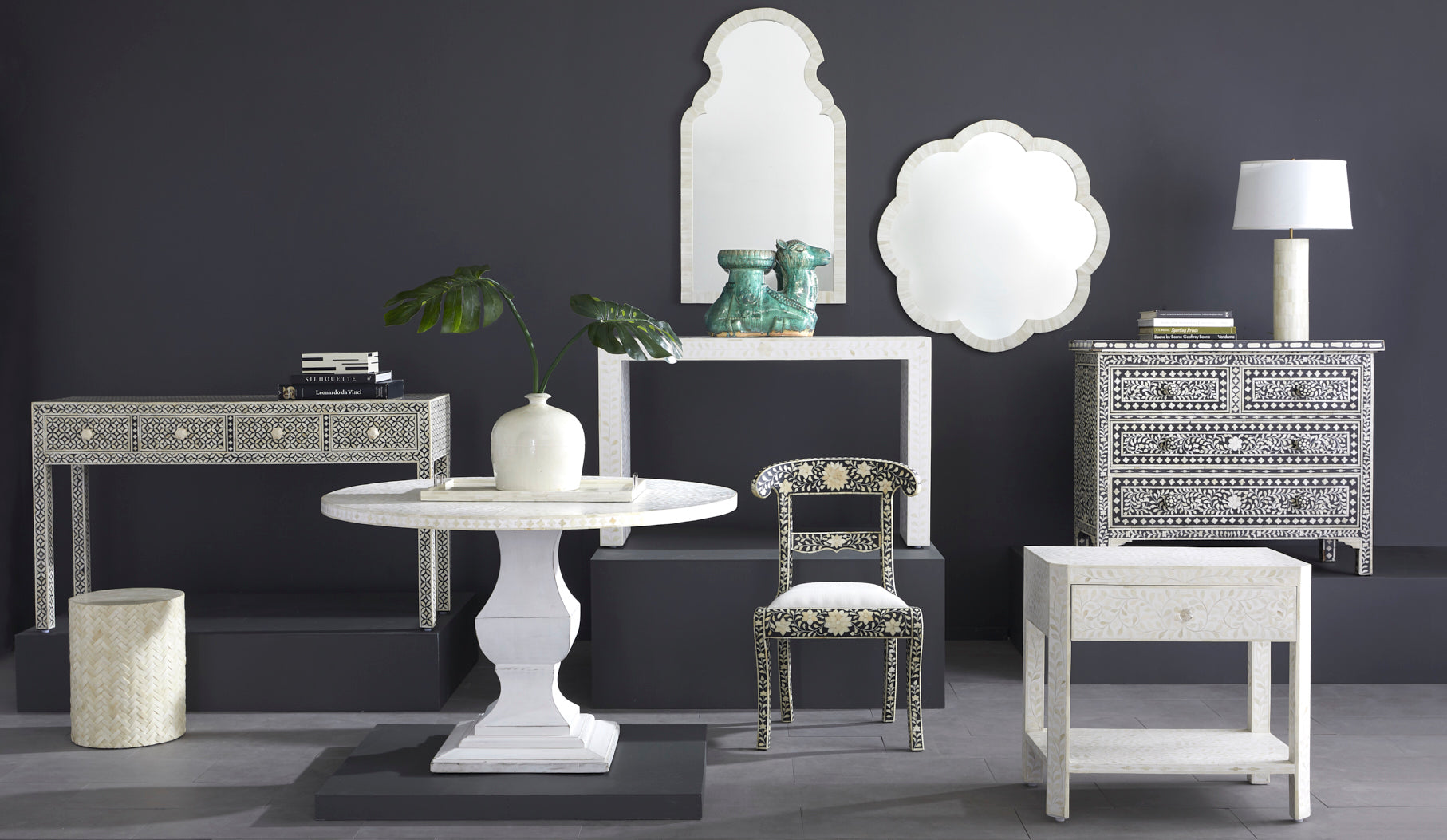
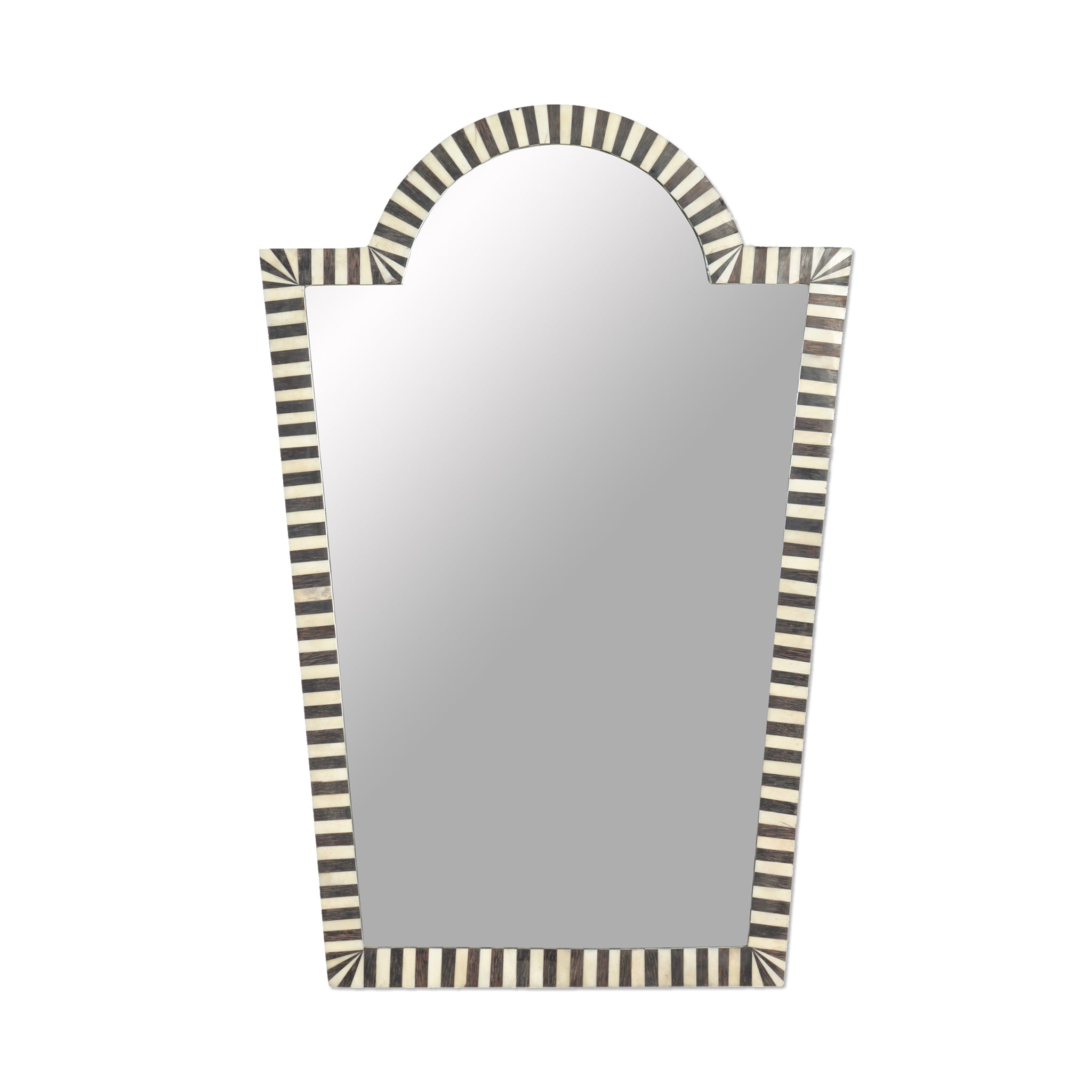
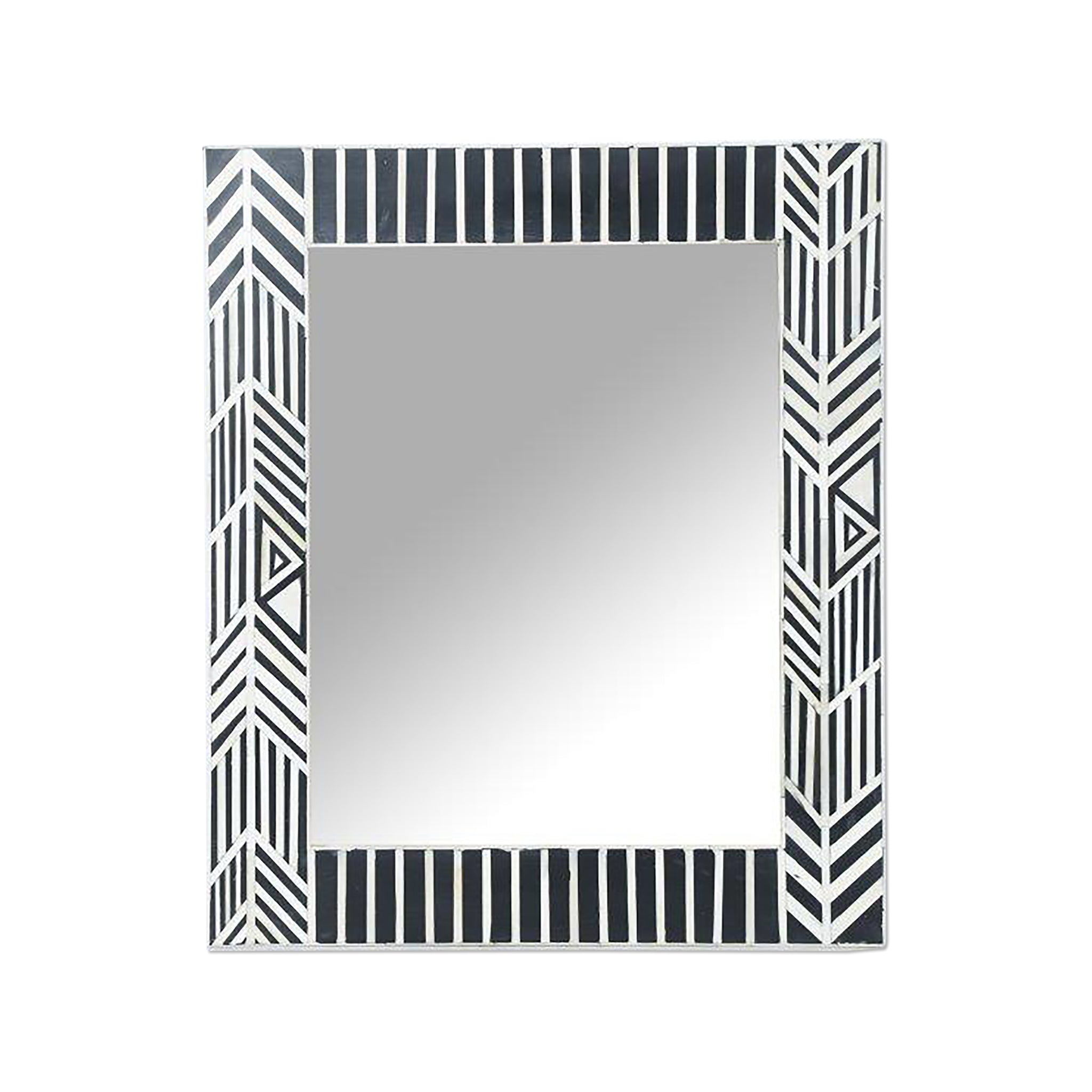
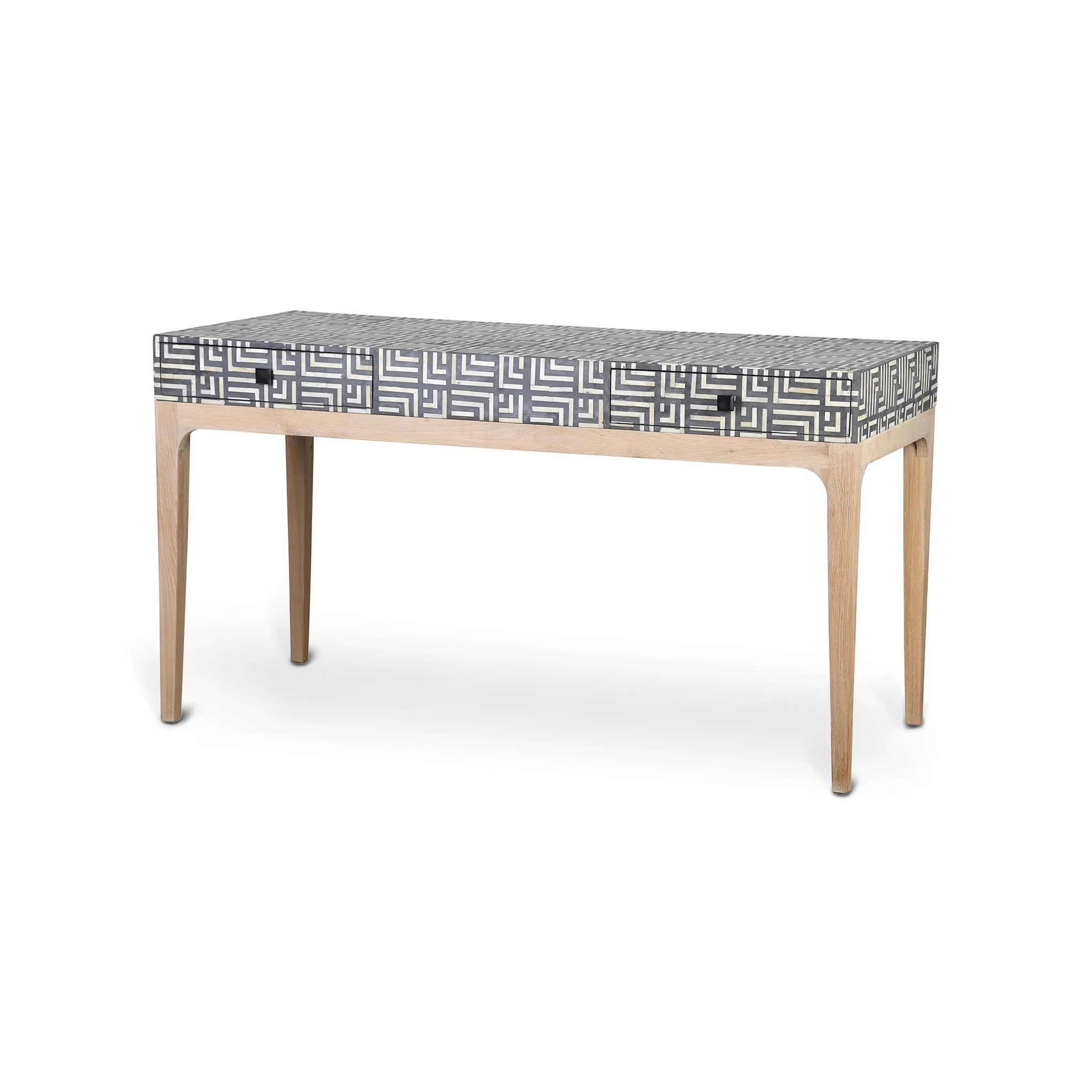
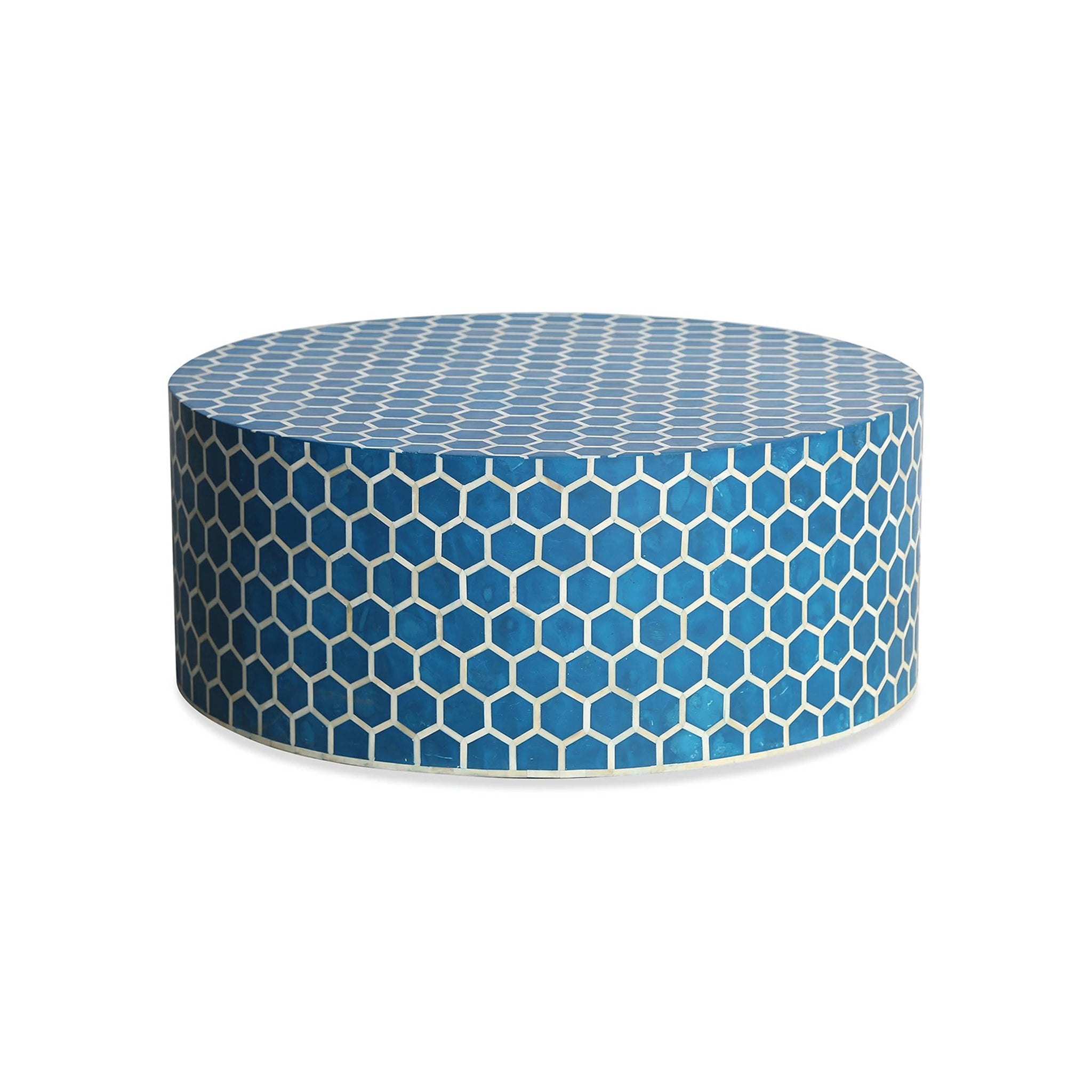
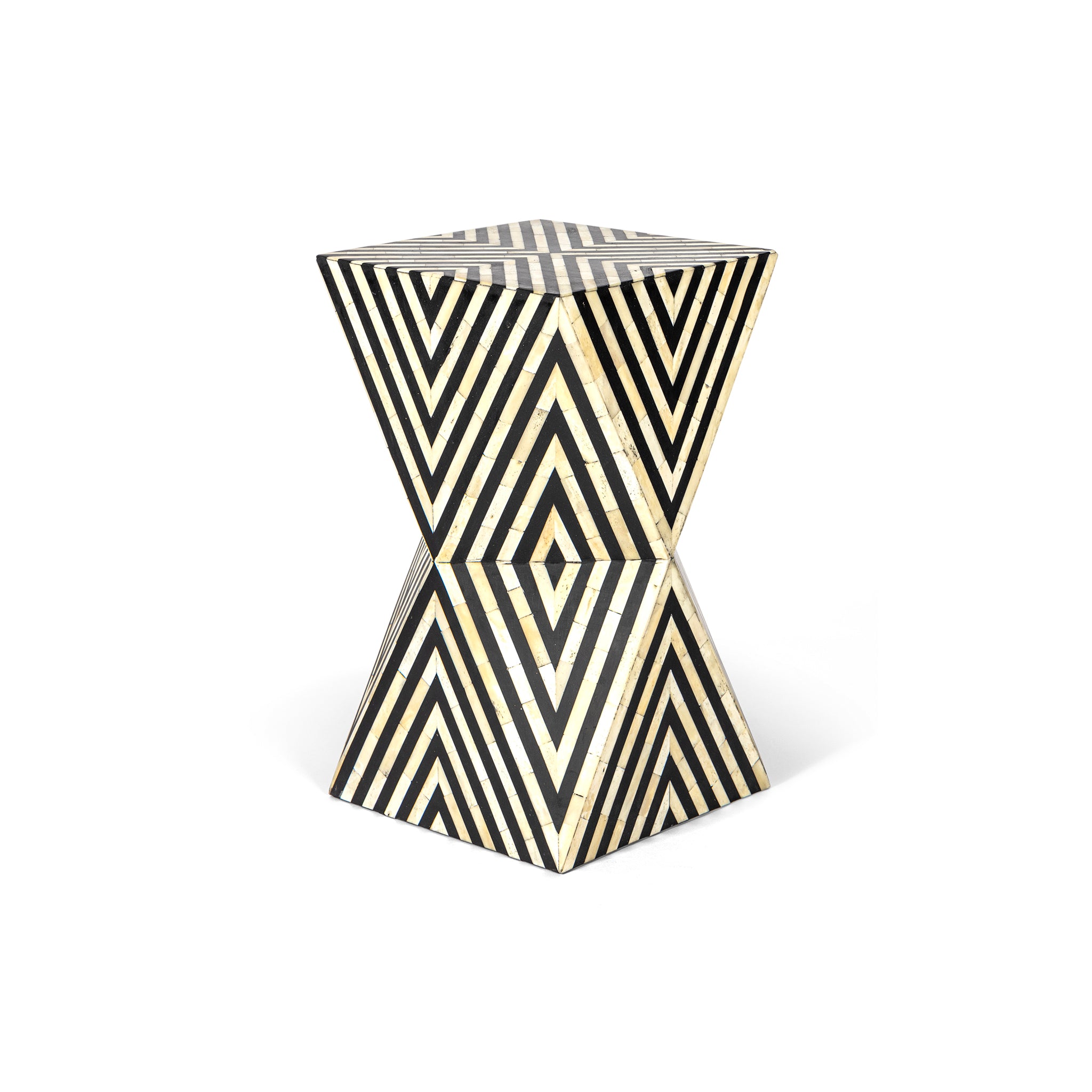
This collection features handcrafted furniture and decor using two distinct inlay techniques: bone inlay and mother-of-pearl inlay. Both methods involve setting small, hand-cut pieces into a resin base to form intricate patterns across wood surfaces. The result is furniture with visible texture, light-catching surfaces, and a level of detail that machine production cannot replicate.
Understanding the Techniques
Bone Inlay
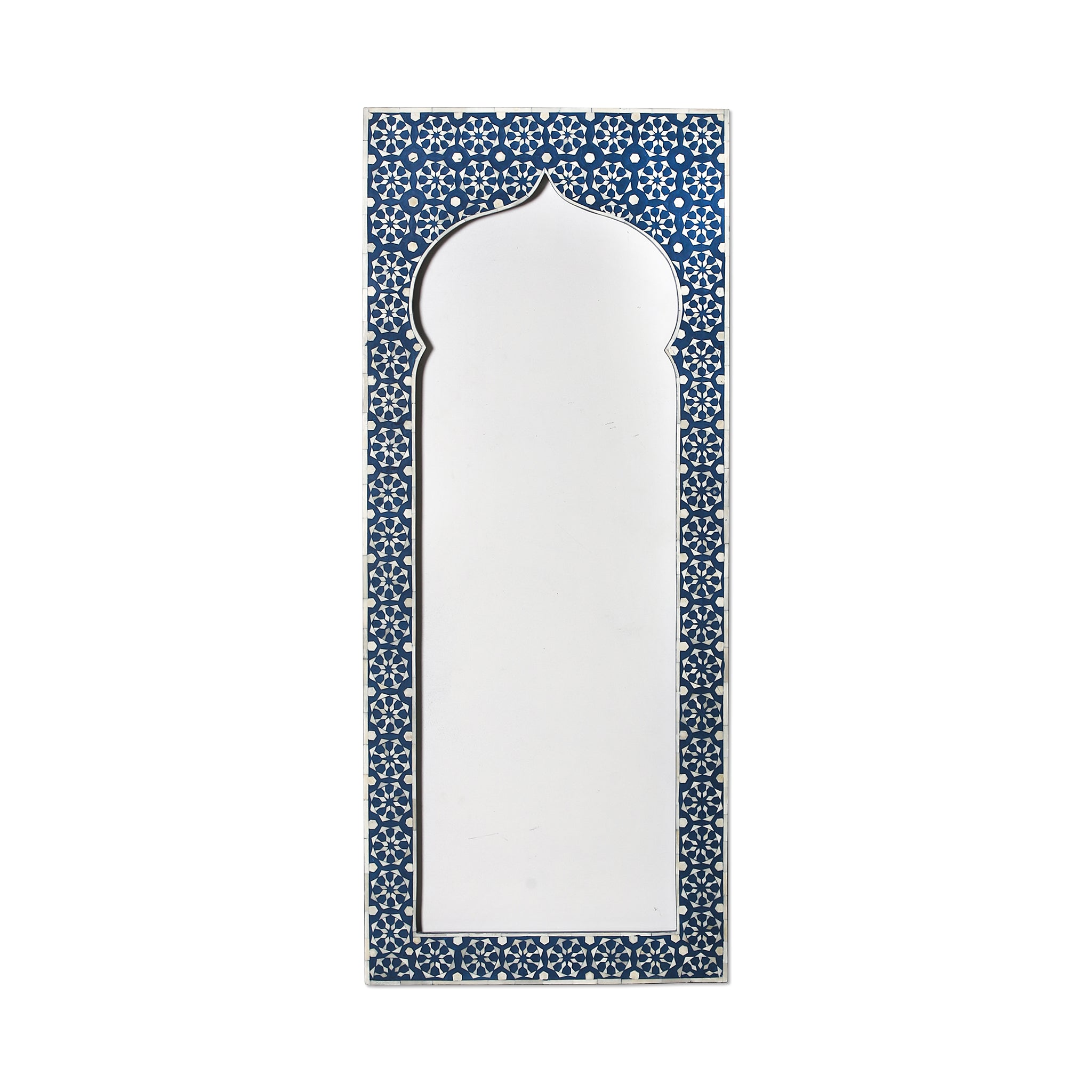
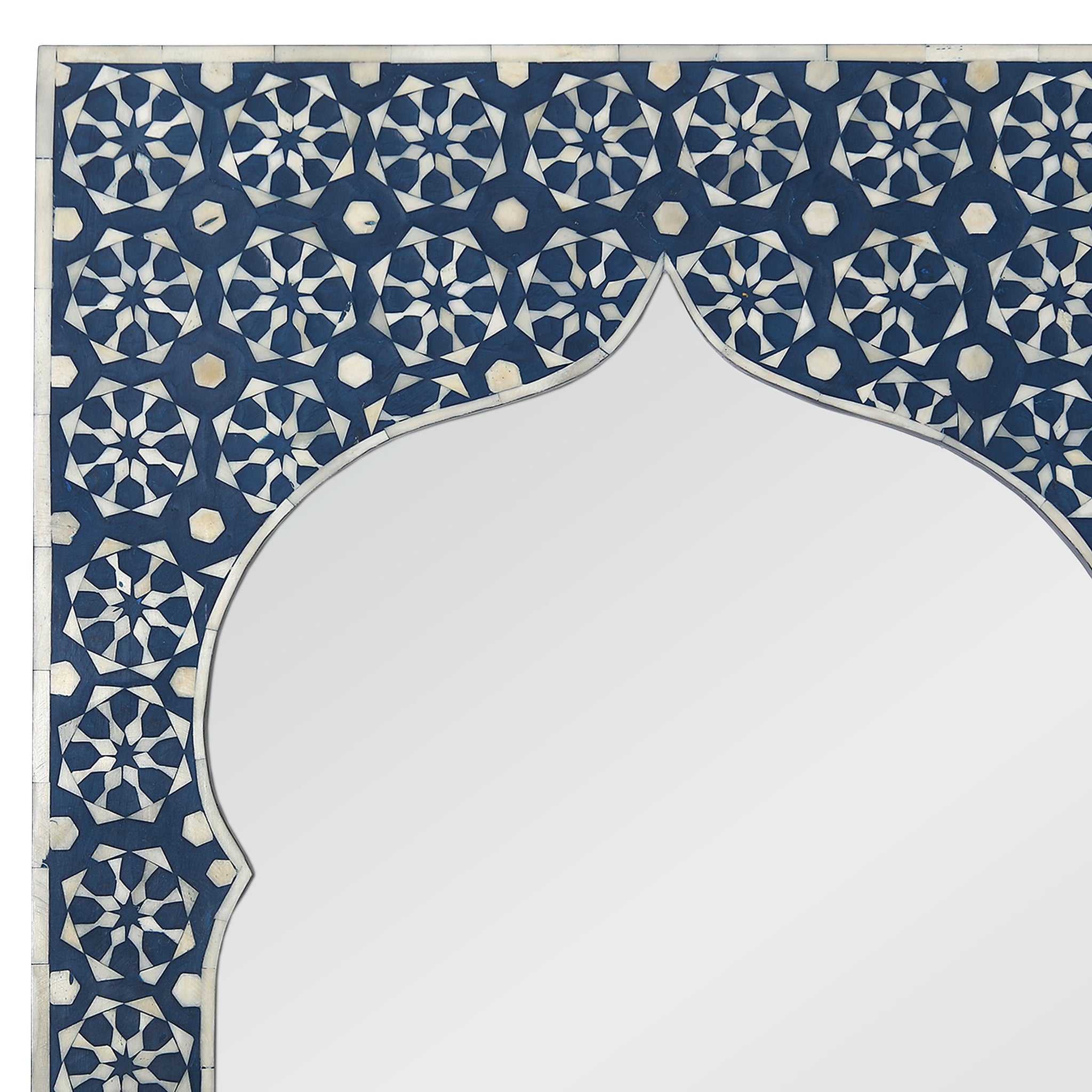
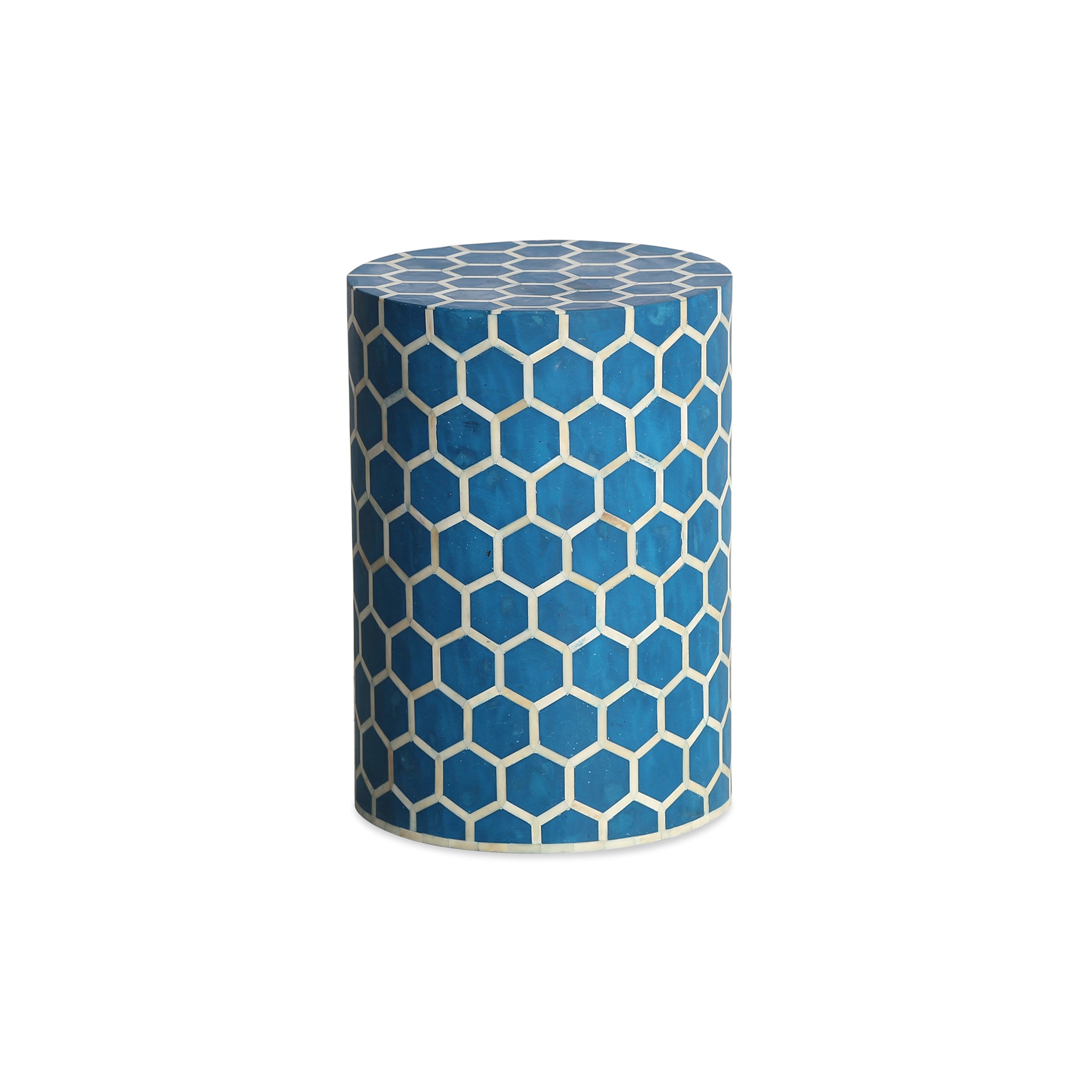
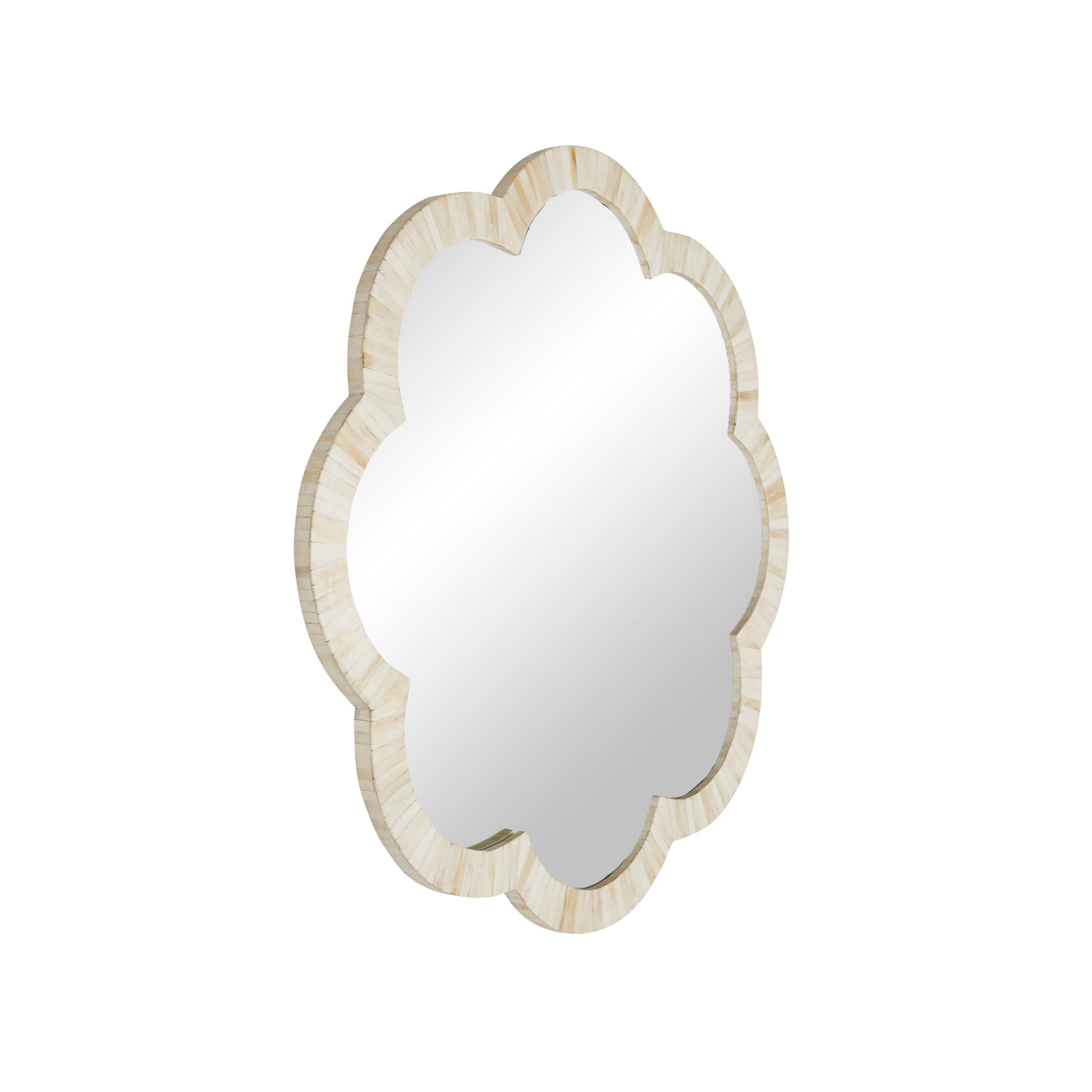
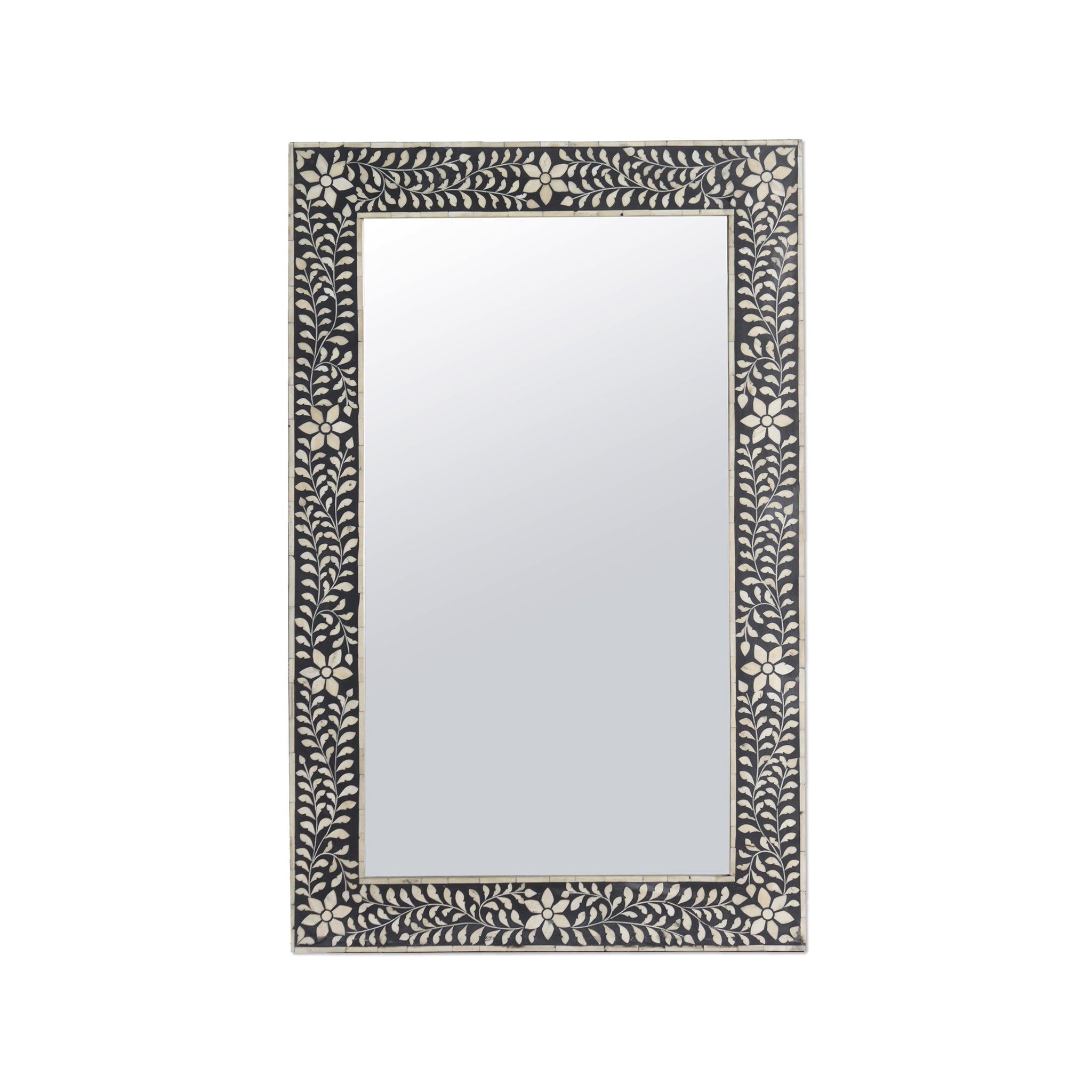
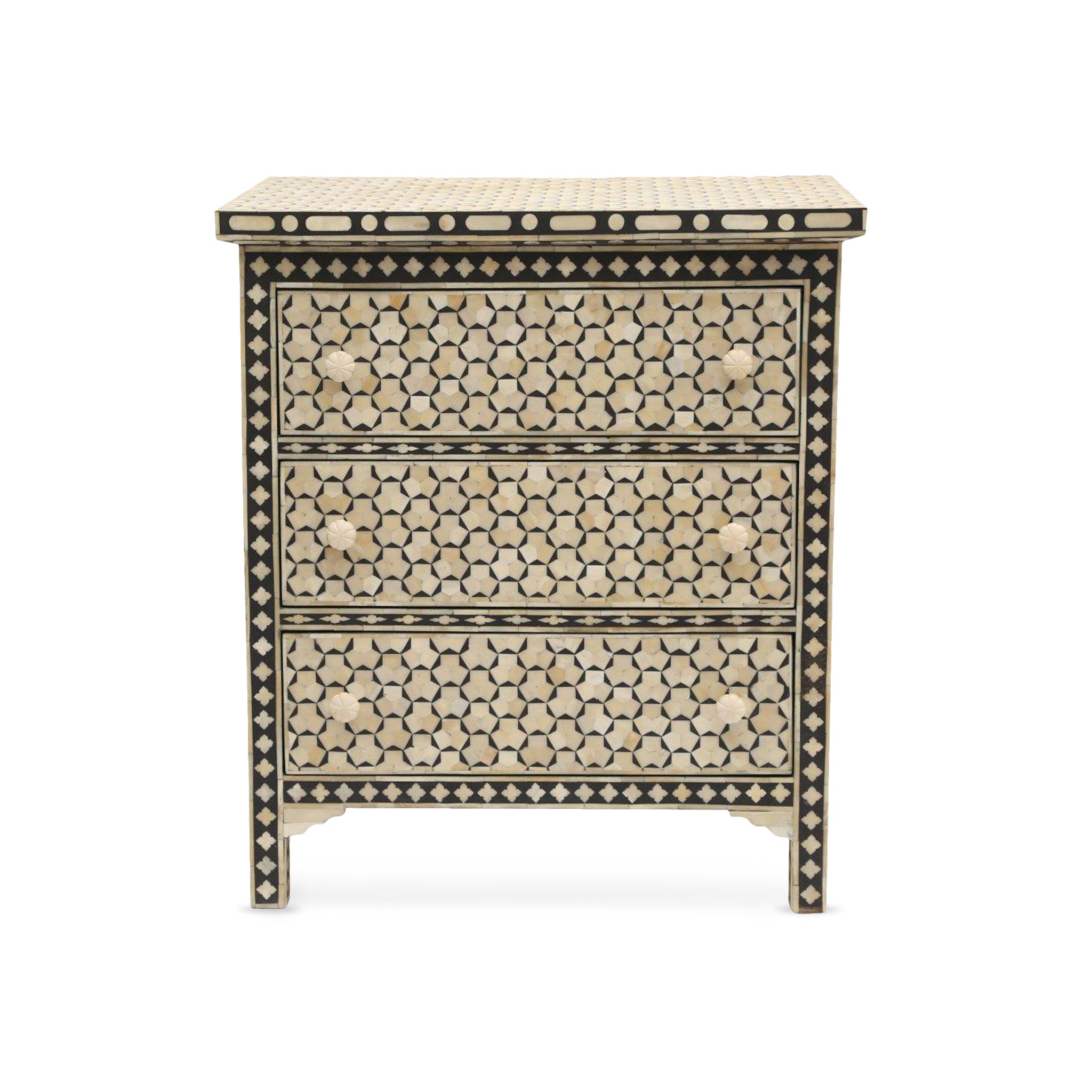
Bone inlay is a decorative craft with roots in India, where artisans have practiced it for centuries. The process involves cutting camel bone into small geometric or organic shapes, then hand-setting each piece into a carved wooden frame filled with colored resin. The resin provides the background color, while the bone forms the pattern. Because the work is done entirely by hand, each piece shows slight variation in alignment and tone. This is a mark of authenticity, not a defect.
Mother-of-Pearl Inlay
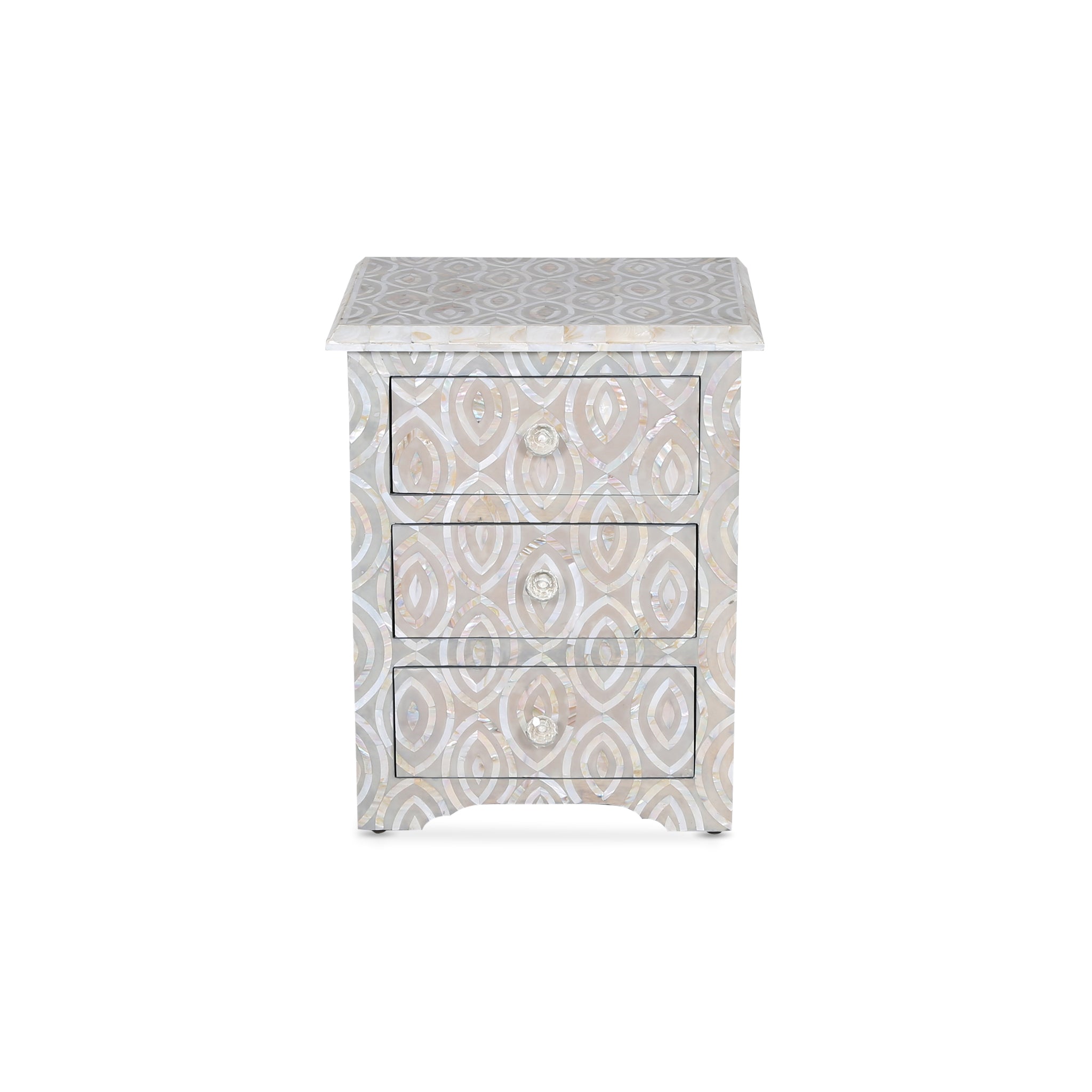
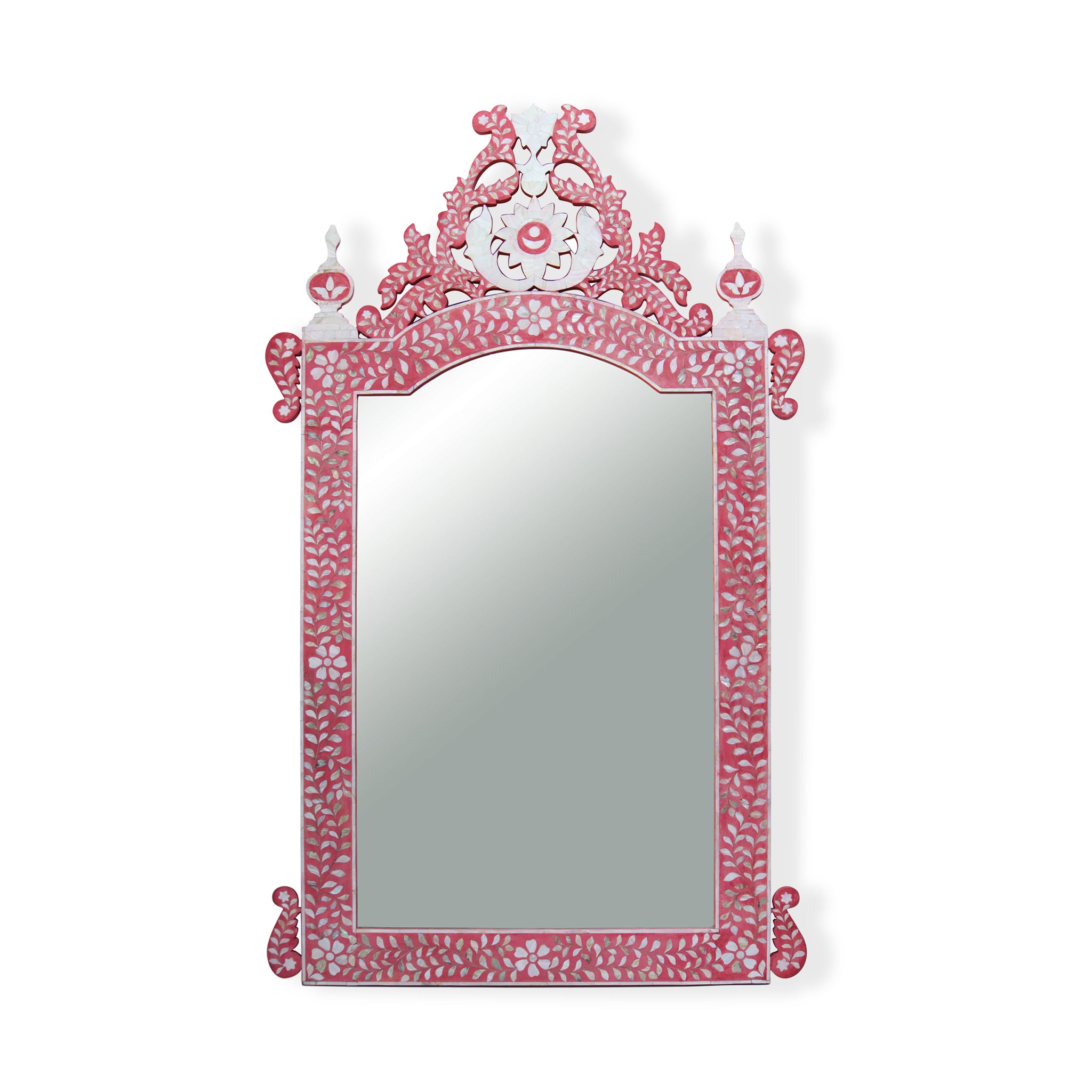
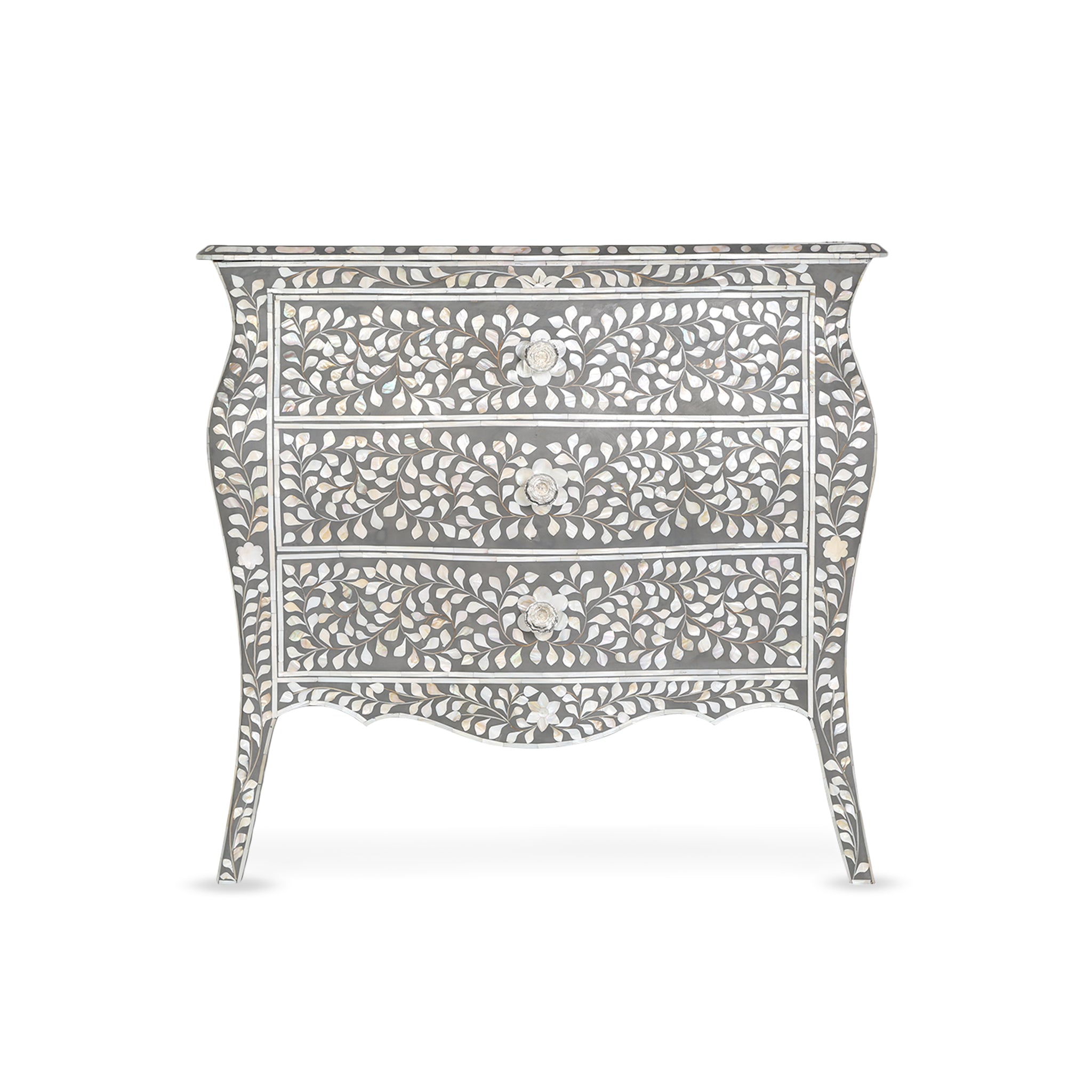
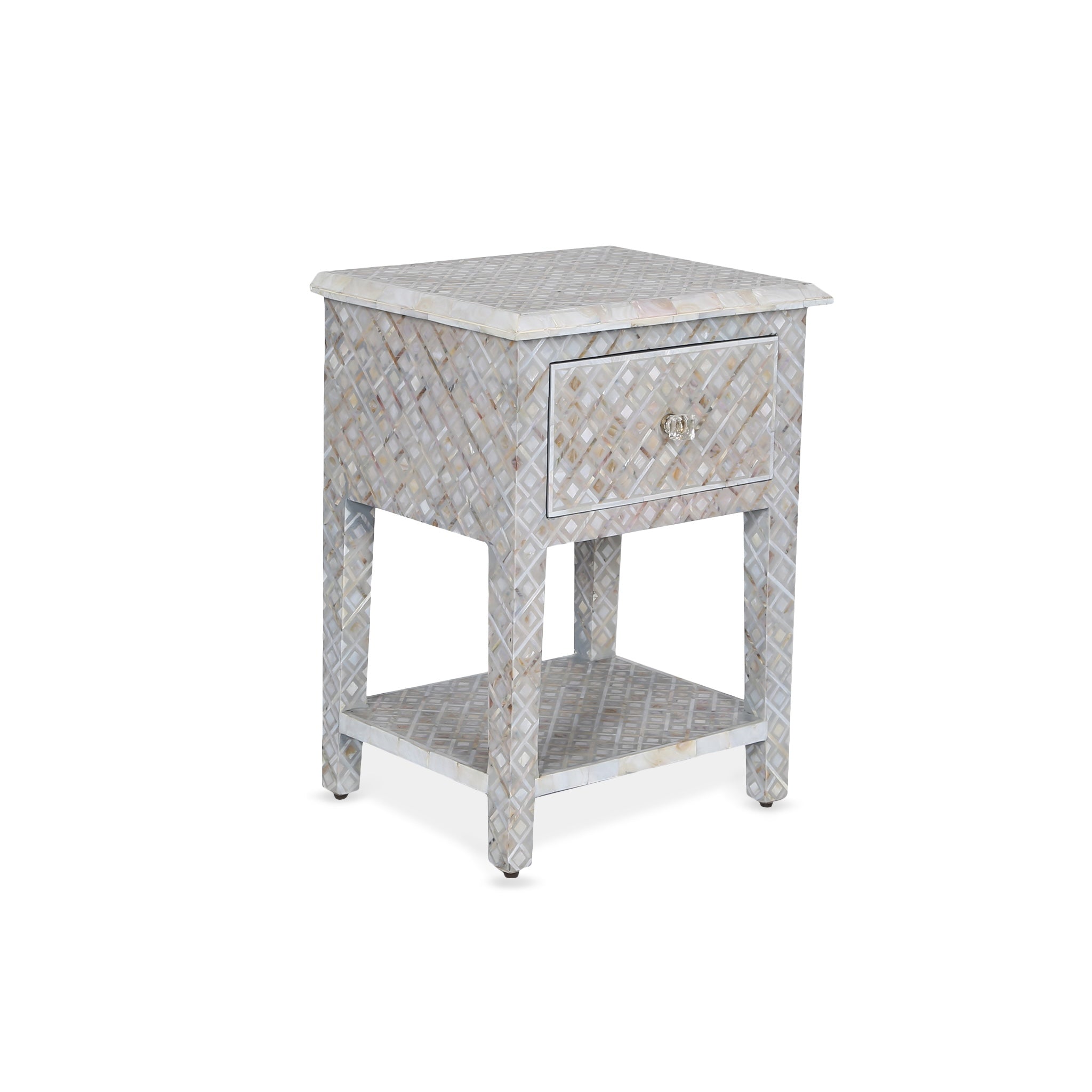
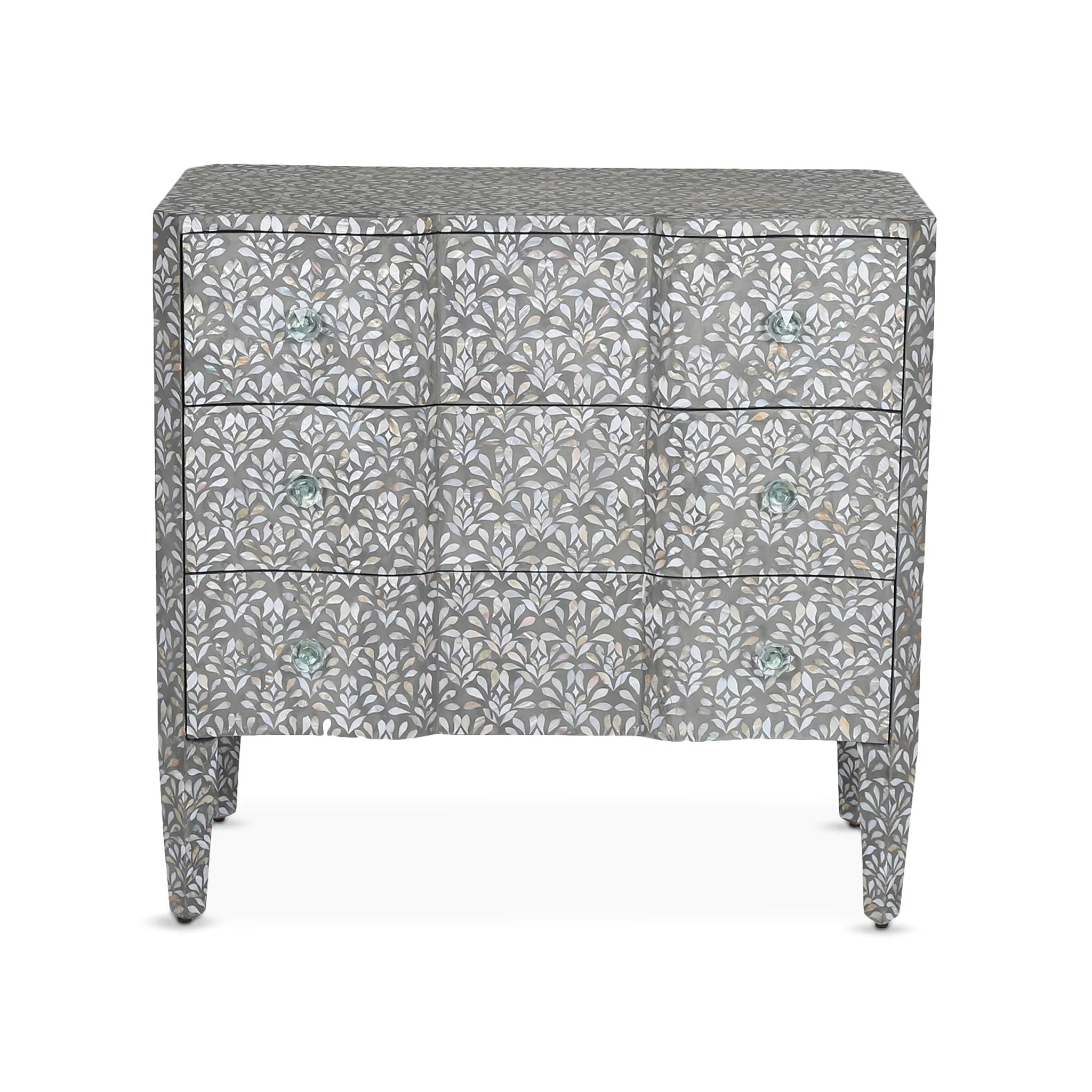
Mother-of-pearl inlay uses the iridescent inner layer of mollusk shells instead of bone. The material catches and reflects light differently depending on the angle, giving finished pieces a subtle shimmer that bone does not produce. This technique has historical ties to both Indian and Chinese decorative arts, where it appeared on lacquerware and fine furniture. In this collection, mother-of-pearl typically appears on pieces with darker backgrounds, where the shell's luminosity stands out most clearly.
Is Bone Inlay Ethical?
Our Bone inlay furniture and decor is produced using materials sourced through established, responsible supply chains. Reputable manufacturers we work with ensure that materials are not sourced from animals specifically harvested for this craft. The process emphasizes skilled handwork and long-standing artisan traditions, supporting communities that have practiced inlay techniques for generations.
Product Categories in the Collection
The collection applies inlay techniques across a range of furniture types and decorative objects.
-
Nightstands and dressers for bedroom use
-
Chests of drawers in various heights and drawer configurations
-
Credenzas and console tables for living rooms, dining rooms, and entryways
-
Coffee tables and side tables
-
Dining tables
-
Headboards
-
Accent chairs
This range allows you to incorporate inlay as a single statement piece or coordinate multiple items across a room.
Pattern Styles
Patterns in the collection fall into a few recognizable categories.
Moorish and Geometric
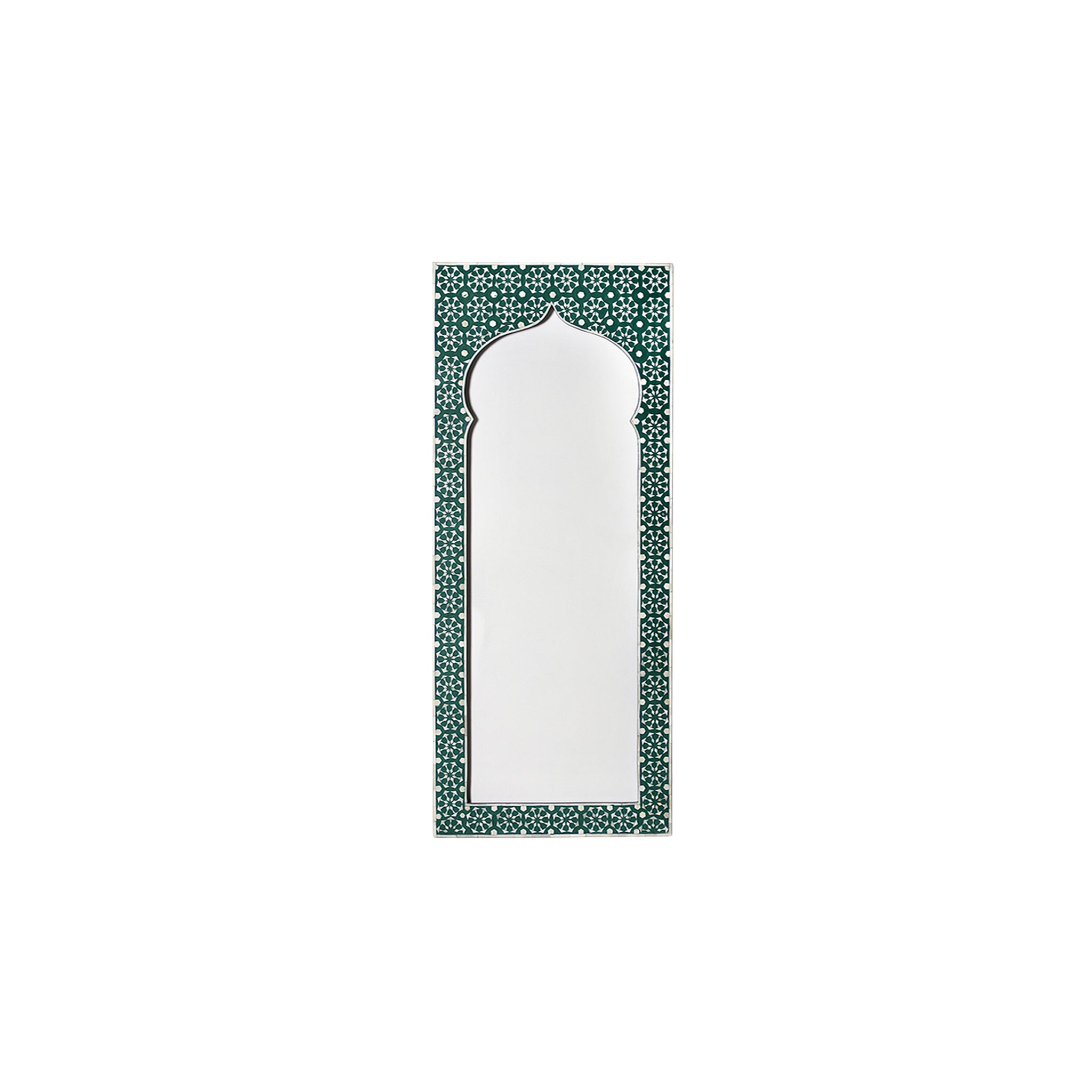
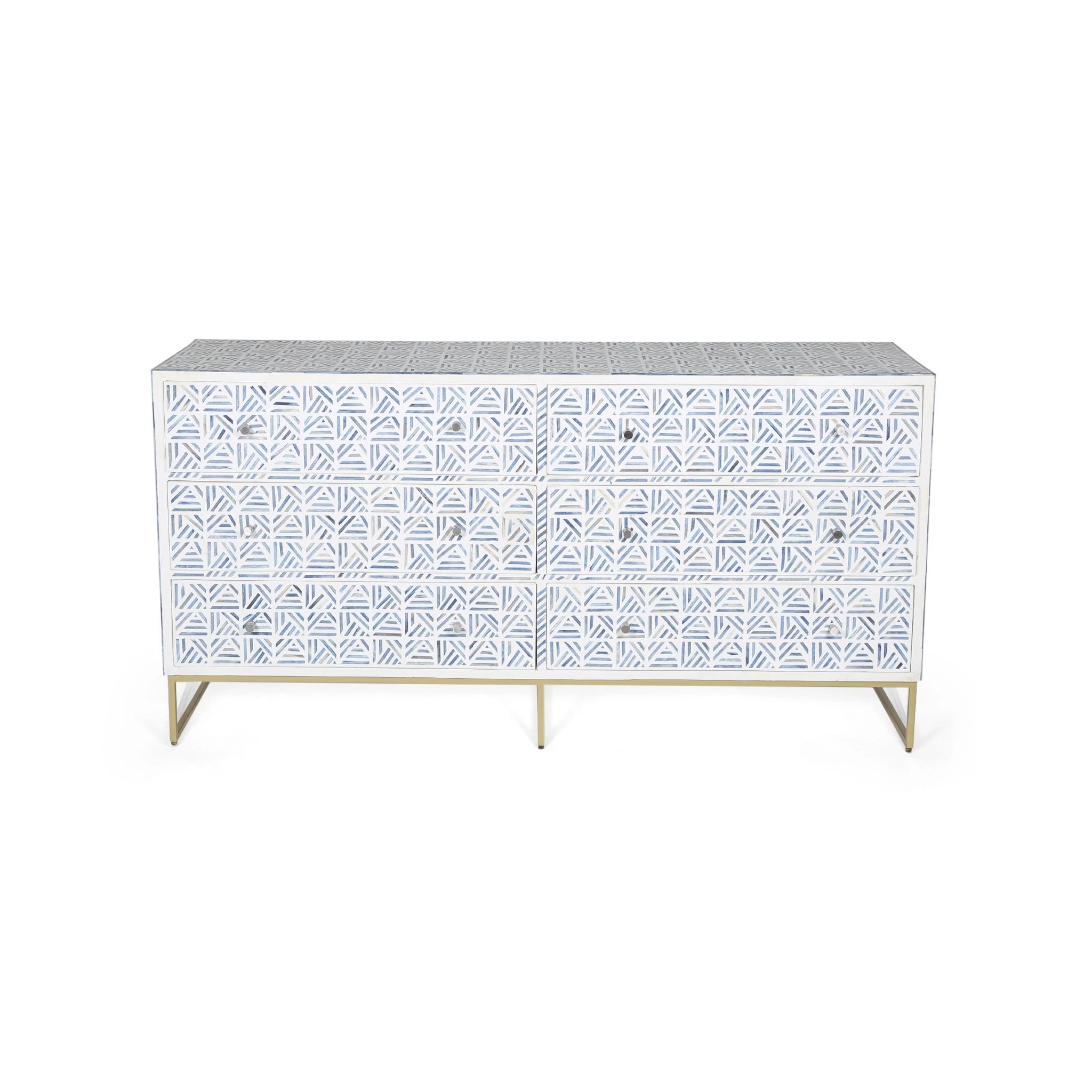
Repeating geometric motifs drawn from Islamic art and North African design. These patterns tend toward symmetry and work well in both traditional and modern interiors. The visual effect is structured and rhythmic.
Floral and Organic
Softer patterns featuring flowers, scrolling vines, or naturalistic shapes. These designs read as more decorative and suit rooms with a classic or feminine aesthetic.
Architectural
Some pieces reference architectural forms like arches, medallions, or lattice work. These patterns add formality and work well on larger surfaces, such as headboards and dining tables.
Color and Finish Options
Many pieces in the collection are available in multiple colorways. The resin background determines the dominant color, while the bone or shell provides contrast.
Common background colors include:
-
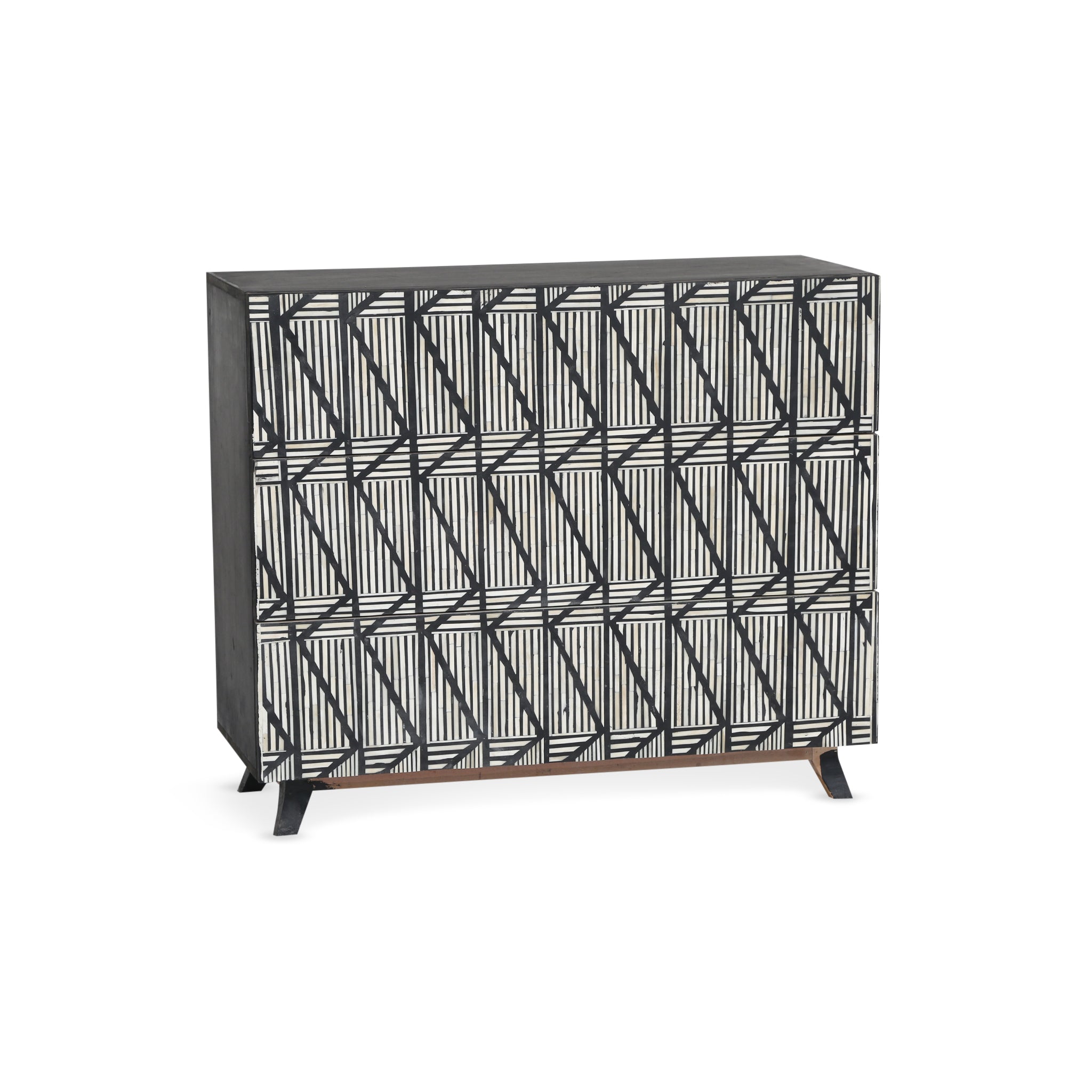
White and black (highest contrast, most versatile)
-
Gray (softer, works in neutral palettes)
-
Blue and turquoise (bolder, suits coastal or eclectic rooms)
-
Green (light and dark options)
-
Pink and red (statement colors for accent pieces)
-
Gold and brown (warmer, pairs with wood tones)
The same pattern can read very differently depending on the color you select. A Moorish mirror in white feels light and contemporary; the same mirror in dark green reads as moody and traditional.
What to Expect from Handmade Inlay
Because every piece is made by hand, no two are identical. You may notice:
-
Slight variation in pattern alignment from one section to another
-
Minor differences in bone or shell tone across a surface
-
Small irregularities in resin fill
These characteristics confirm that the piece was made by a craftsperson, not a machine. If you prefer uniformity, inlay furniture may not suit your expectations. If you value visible craft and natural variation, this construction method delivers both.
Why Wisteria for Inlay Furniture
Wisteria sources its bone and mother-of-pearl inlay pieces directly from artisan workshops that specialize in this traditional craft, maintaining long-standing relationships built over more than two decades. This direct sourcing model allows the brand to offer exceptional depth across furniture types, pattern scales, and color options, rather than a limited, trend-driven assortment. By working closely with regional makers, Wisteria ensures consistent quality, authentic handwork, and material integrity. The result is inlay furniture with true craft provenance and design range that mass-market and short-term import retailers cannot replicate.
< Show Less