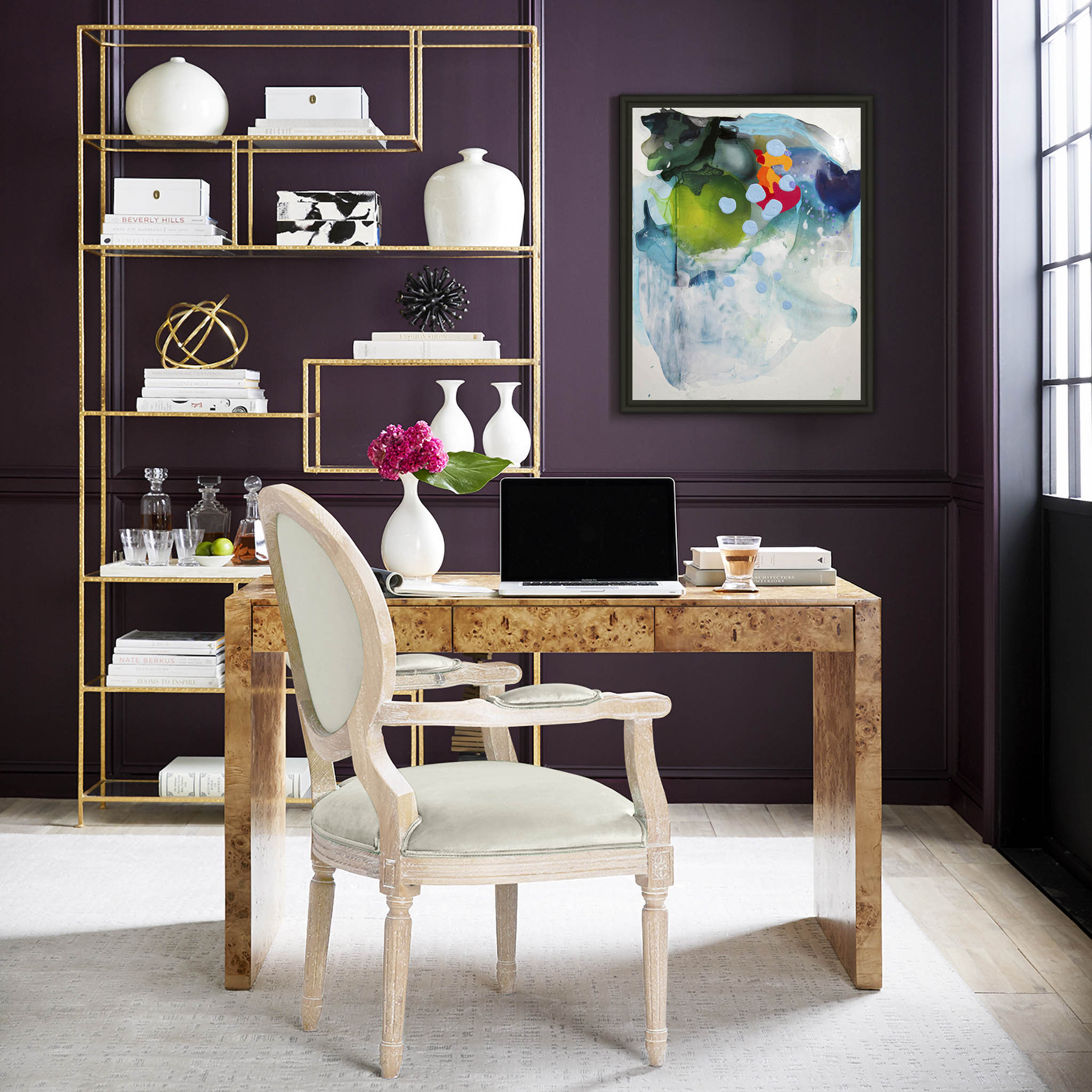
A well-designed living room rarely comes down to the furniture alone.
More often, it’s the layout that determines whether a space feels intuitive or slightly off.


A well-designed living room rarely comes down to the furniture alone.
More often, it’s the layout that determines whether a space feels intuitive or slightly off.
If you’re searching for living room layout ideas, the goal isn’t just to fit everything in. It’s to create a room that works naturally—where seating feels intentional, movement is easy, and every piece has a place. This guide covers how to design a living room layout from the ground up: how to plan for flow, how to arrange furniture by room shape, and what separates a layout that looks finished from one that never quite settles.
The living room is the heart of the home—a place where conversations unfold, guests gather, and everyday moments become lasting memories. Creating a space that feels inviting and effortless begins not with the furniture itself, but with the room and how it naturally wants to be lived in.
Before choosing furniture, step back and study the space. Consider where people enter, how they naturally move through the room, and what immediately draws the eye. These elements shape a successful layout far more than any individual piece. Even the most beautifully designed sofa can feel out of place if the room’s flow has been overlooked.
Every well-designed living room follows one essential principle: keep pathways clear and build the room around the way people move. Start by identifying natural walkways—typically from entry points to seating areas or adjoining rooms—and allow those paths to remain open and unobstructed.
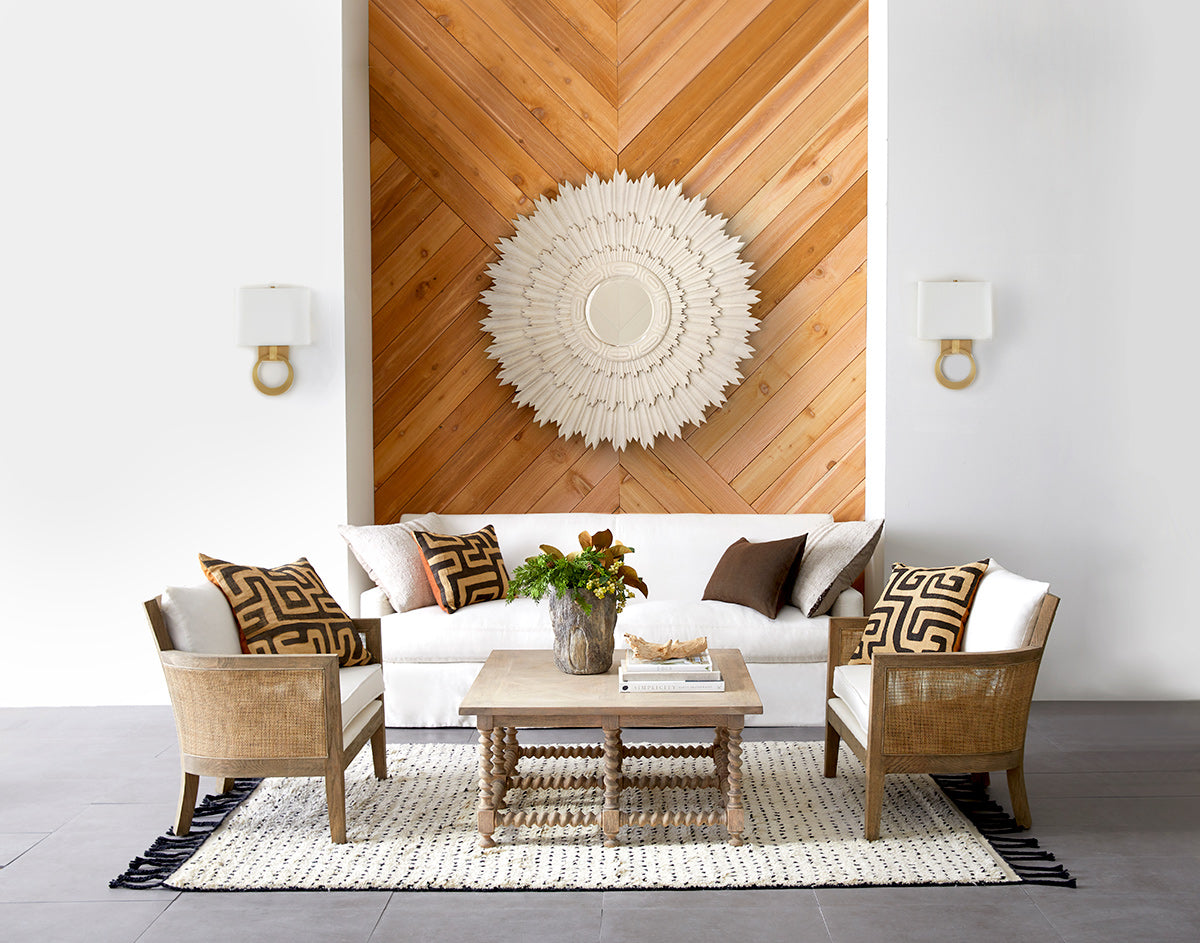
Once the flow is established, anchor the room around a central moment: a thoughtfully arranged seating area, a focal point such as a fireplace or coffee table, or a gathering space designed to invite conversation. When the foundation feels balanced, the rest of the room begins to settle naturally into place.
Different room shapes call for different layout strategies. Instead of forcing a universal formula, work with the structure you have.
Rectangular spaces benefit from structure.
The most effective approach is to anchor one side with a primary piece—typically a sofa—then balance it with additional seating across from it. This creates a clear conversational zone without breaking the natural flow of the room.
In longer spaces, consider dividing the room into two distinct areas:
This prevents the room from feeling stretched or underutilized.
In open layouts, the challenge is definition.
Without walls, furniture placement becomes the tool that creates boundaries. A seating arrangement can act as a visual divider, separating the living area from dining or kitchen spaces.
Consistency matters here. Materials, tones, and spacing should feel connected across the larger space, even as each zone serves a different purpose.
Small spaces reward clarity.
Instead of trying to maximize seating, focus on creating a layout that feels open and usable. A single, well-placed sofa paired with one or two complementary pieces often works better than a crowded arrangement.
A few practical guidelines:
Our Gustavian Collection is European-inspired and offers silhouttes friendly to small spaces. Getting the right scale of furniture for your space is crucial to maintain balance and function.
Once the main arrangement is set, the room is shaped by its supporting elements.
A central table helps anchor the seating area.
An area rug defines the boundaries of the space.
Lighting adds structure and depth.
These elements don’t just decorate the room—they clarify it. Without them, even a well-placed layout can feel unfinished.
Even well-furnished rooms can feel off when the layout is working against the space.
The most common issues:
Correcting these often has more impact than replacing any single item.
Get the layout right, and everything else—from furniture to finishing details—falls into place.