
May 29, 2026

A Guide to Types of Wood For Furniture

If you've ever found yourself drawn to a piece described as "reclaimed elm" or "wire-brushed mango wood" and felt a little uncertain about what that actually means, you're not alone. The types of wood for furniture aren't just a technical spec. They're a design decision. They shape the mood of a room, the story a space tells, and how a piece of furniture lives with you over the years and decades.

This is your guide to reading those material descriptions with confidence and using them to design with intention.


Oak: The Backbone of the Designer's Vocabulary

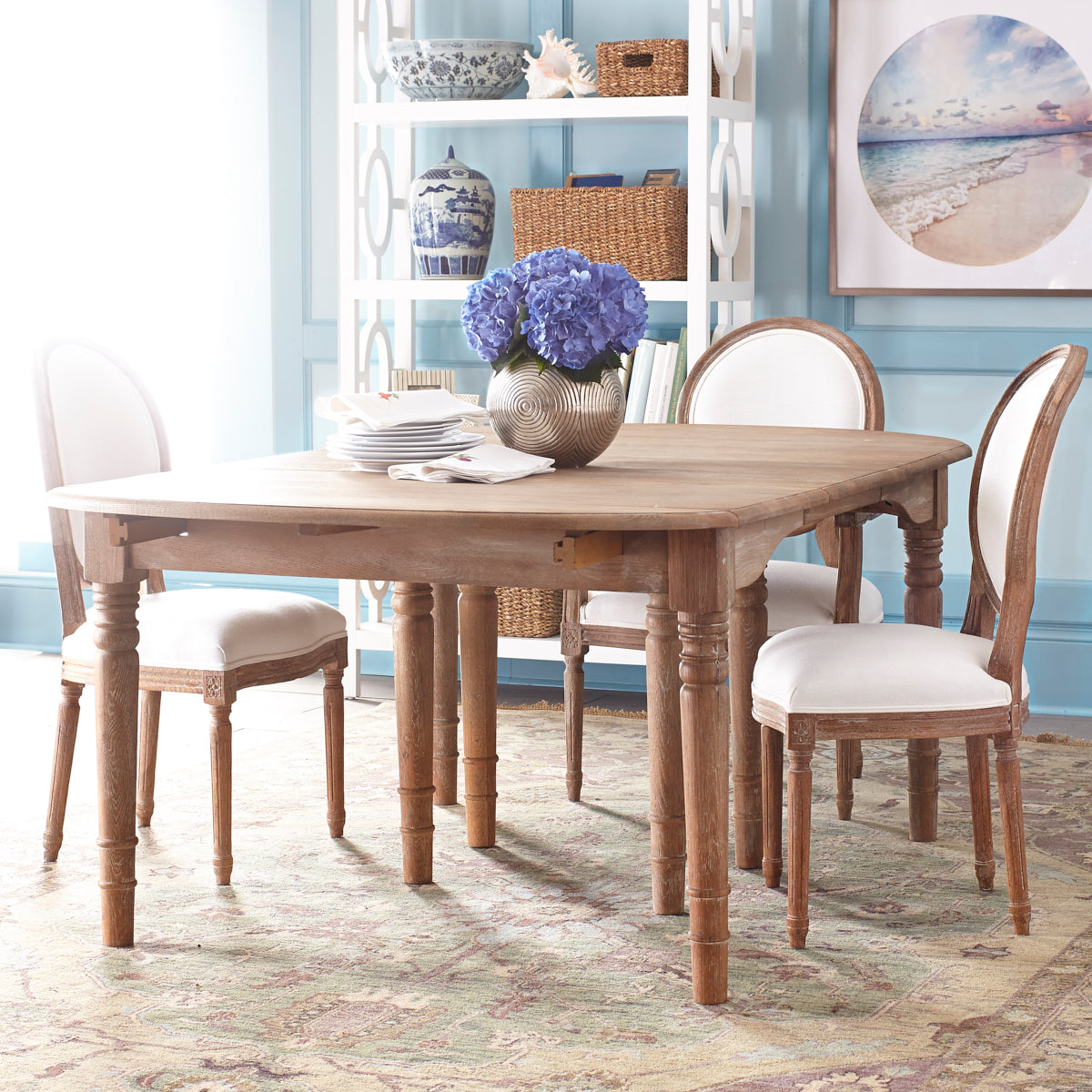
Oak is one of the most enduring wood types in furniture-making, and for good reason. It's dense, tight-grained, and notably hard, which means it resists dents and handles daily use without losing its composure. In color, it ranges from warm honey to cool, pale blonde, with a subtle ray-fleck pattern that catches light differently depending on how it's cut.

The Design Effect: Oak reads as grounded and quietly confident. It doesn't shout. A room anchored by oak furniture feels collected and livable, the kind of space that looks like it came together over time rather than overnight. It works equally well in formal dining rooms and relaxed open-plan living.

How It Ages: This is where oak truly earns its reputation. Over time, oak deepens to a richer amber, and any wire-brushing or weathered finish applied at the outset will only grow more expressive with age. Scratches blend into the grain rather than standing out against it.

Best For: Families, heavy-use dining tables, and anyone who wants a piece that improves with life lived around it.

Elm: The Wood With the Most Character

Elm is the wild one. Its interlocking, swirling grain is unpredictable; no two pieces are alike, and its color palette ranges from warm tawny brown to deep reddish brown. Among the types of hardwood used in furniture, elm has some of the most visually striking figures, making it a favorite for statement dining tables and sideboards.

The Design Effect: Elm brings raw energy to a room. It's earthy and sculptural, and it pairs beautifully with natural linens, handthrown ceramics, and organic textures. A reclaimed elm dining table doesn't just anchor a room; it becomes the room's personality.

How It Ages: Elm develops a rich, warm patina over decades. Reclaimed elm, in particular, carries the lived-in depth of its previous life, making each piece feel archaeological rather than merely old.

Best For: Those who want a true statement piece. Those drawn to the eclectic, the globally-sourced, the one-of-a-kind.

Mango Wood: The Sustainable Choice That Doesn't Compromise on Beauty

Mango wood is one of the most interesting wood varieties in furniture right now, and one of the most misunderstood. It's a hardwood with a fast growth rate (mango trees are harvested after their fruit-bearing years, making it an inherently sustainable choice). Its grain ranges from straight to wavy, often featuring stunning streaks of pink, green, and dark brown wood colors running through a golden base.

The Design Effect: Mango wood is warm, rich, and slightly exotic. It pairs naturally with brass hardware, rattan, and global craft objects. Rooms built around mango furniture feel well-traveled and layered, as if curated by someone with a genuine eye.

How It Ages: Mango lightens slightly over time in sunlight and develops a smooth, honeyed warmth. The color variation in the wood becomes more harmonious with age rather than more jarring.

Best For: Those who value sustainability without sacrificing beauty. Bohemian and globally-inspired interiors. Bedrooms and living spaces.

Pine: Casual, Cozy, and Underrated

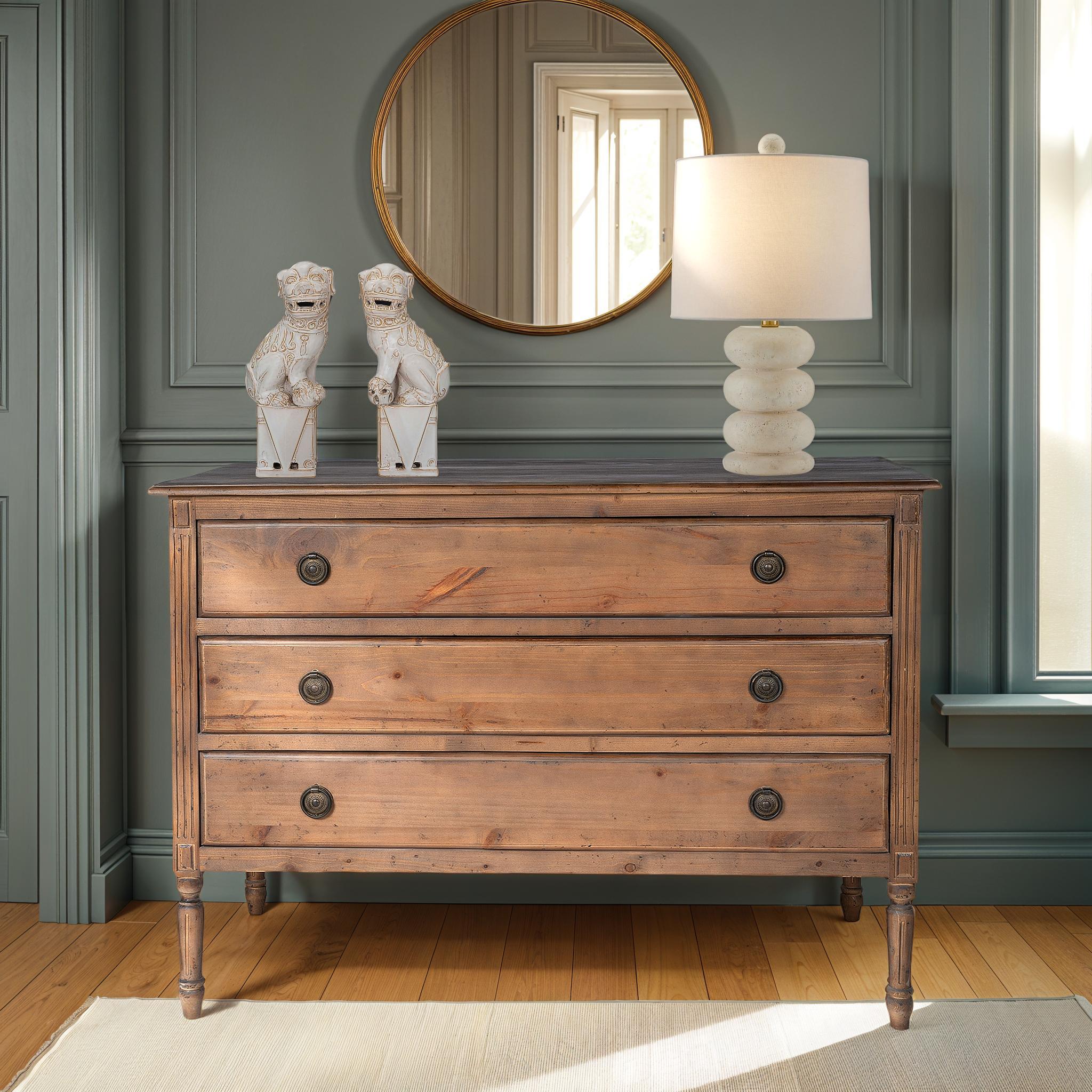
Pine sits softer on the hardness scale than oak or elm, which means it marks more easily, but that's precisely what gives it its charm. Its grain is open and knotty, its color a pale creamy-yellow that warms to honey gold over time.

The Design Effect: Pine is unpretentious and cottage-warm. It makes a room feel relaxed and approachable. Among the wood types, pine is the one that softens a space rather than anchoring it. Lacquered pine reads as casual-chic; weathered or natural pine reads as farmhouse or Scandinavian.

How It Ages: Pine patinas quickly and beautifully, developing warmth and amber tones even within the first few years. Those marks and dings? They read as charm on pine in a way they wouldn't on a formal hardwood.

Best For: Bedrooms, guest rooms, relaxed living spaces, and anyone who wants a lived-in, characterful aesthetic from day one.

Alder: The Quiet Achiever

Alder doesn't get nearly enough credit. It's a fine-grained, medium-weight hardwood with a subtle, even texture and a pale pinkish-brown color that takes stains very well. It's the chameleon of wood varieties for furniture, versatile enough to go in nearly any direction.

The Design Effect: Alder has a clean, refined quality without being cold. It suits transitional interiors, spaces that blend traditional and contemporary elements. When lacquered, it reads as polished and tailored. When left natural, it's warm and understated.

How It Ages: Alder darkens slightly and evenly over time, developing a soft, consistent tone. It's one of the more predictable patinas, which suits those who prefer refined control over their interiors.

Best For: Those who want warmth without visual busyness. Formal-leaning spaces. Versatile enough for virtually any room.

Acacia: The Artisan of Natural Beauty

Acacia is celebrated for its striking grain patterns, exceptional durability, and rich natural variation. Its color ranges from warm golden honey to deep walnut brown, often blending multiple tones within a single piece. As a dense hardwood, acacia resists everyday wear while showcasing organic character that feels both refined and approachable.

The Design Effect: Acacia brings warmth and movement to a room. Its varied grain and tonal shifts create visual interest without feeling formal, making it equally at home in relaxed living spaces and thoughtfully layered dining rooms. Every piece feels unique, carrying the artistry of nature into the home.

How It Ages: Acacia develops a deeper, richer patina over time, enhancing the contrast and character within its grain. Minor scratches and marks tend to blend naturally into the wood's variation, adding to its lived-in appeal rather than detracting from it.

Best For: Those who value natural beauty, busy households seeking durability, and anyone drawn to furniture with distinctive character and timeless versatility.

Reclaimed vs. New Wood: What the Label Actually Means

Reclaimed wood is harvested from previous structures, old barns, factories, warehouses, and ships, and given a second life in furniture. This is not the same as "distressed" or artificially aged wood, which is new wood that's been treated to look old.

Three myths about reclaimed wood worth dispelling:

  1. "It's fragile." Reclaimed wood is often older-growth timber, which is denser and harder than much of what's grown commercially today. It's frequently more durable, not less.

  2. "It looks rough." In skilled hands, reclaimed wood can be finished to any level of refinement, from polished to raw.

  3. "It's less sustainable." It's among the most sustainable choices available. No new trees, no new processing. The environmental calculus is clear.

The design effect of reclaimed wood is incomparable: genuine age, genuine story, genuine character. The nail holes, the color variation, and the weathered grain are not imperfections. They're the record of a material that has already lived.

How Finishes Change Everything

Choosing what type of wood is only half the decision. The finish transforms the wood colors and how that wood reads entirely.

Weathered finishes soften the wood's grain and add a silvery, sun-bleached quality. Ideal for coastal, Southwestern, and globally eclectic interiors.

Wire-brushed finishes accentuate the grain by removing the soft wood between fibers, creating a tactile, slightly rough texture that catches the eye and the hand. Particularly striking on oak and elm.

Lacquered finishes create a smooth, sealed surface that reads as more refined and formal. They also protect the wood from moisture and daily wear more effectively.

Natural/oil finishes let the wood breathe and show its truest self: the color, the grain, the occasional knot. They require more maintenance but age the most beautifully.

How to Mix Wood Types (Without It Looking Like a Mistake)

The greatest rooms almost never use a single wood type throughout. Here's how to mix intentionally:

Vary the finish, not the tone. Two different wood types in similar warm tones, say oak and mango, will look collected rather than mismatched if their finishes complement each other.

Use grain contrast deliberately. Pair a swirling, figured grain like elm with a clean, straight grain like alder for visual balance.

Anchor with one dominant wood. Let one piece, typically the largest, like a dining table or bed frame, set the material tone. Everything else can echo or contrast from there.

Choosing Wood for Your Life, Not Just Your Aesthetic

For families with young children: Oak and elm hide scratches well due to their open grain. Avoid lacquered finishes in high-traffic areas, as they show every mark.

For formal entertaining spaces: Lacquered alder or polished oak reads as sophisticated and intentional.

For relaxed, lived-in rooms: Pine, reclaimed elm, or weathered mango bring warmth and casualness that only improves with use.

For longevity and heirloom quality: Dense hardwoods like oak, elm, and mango will outlast trends and generations.

Understanding the types of wood for furniture is ultimately about understanding what you want your home to feel like. Every grain pattern, every patina, every finish is a design decision, and the right one is the one that feels like you.

Shop Wood Types at Wisteria

Once you know what type of wood speaks to your space, finding the right piece becomes instinct rather than guesswork. At Wisteria, every collection is built around the same values behind this guide: material honesty, artisanal craft, and furniture that only gets better with time.

If the warmth and sustainability of mango wood resonates with you, explore the Mango Wood Collection, where each piece showcases the wood's naturally striking grain and rich, honeyed tones.

If you're drawn to the depth and story that only genuine age can offer, the Reclaimed Wood Collection brings together pieces with real provenance, built from materials that have already lived a life and are ready to live another in your home.